


Systems | Development | Analytics | API | Testing

How to Optimize Load Testing for Single Page Applications: A Practical Guide for 2026

You check your server health dashboards and everything looks normal, but users are still reporting slow interfaces and laggy user flows. The backend appears healthy, yet your Single Page Application (SPA) feels unresponsive in production. This disconnect often occurs when teams use traditional load testing approaches designed for server-rendered sites, rather than the dynamic, client-heavy nature of SPAs.
What are Virtual Users (VUs) in Load Testing? Definition + Examples

Virtual users (VUs) are the simulated humans that hit your system during a load test. They’re the load. Where real users come from browsers and apps, VUs come from a test harness. JMeter threads, k6 worker goroutines, Locust greenlets. Each VU sends requests, waits for responses, sometimes pauses (“think time”), and repeats. Aggregate enough VUs and you get traffic that looks like a real audience.

Load Testing vs Stress Testing: Key Differences and When to Use Each

Load testing and stress testing are not the same thing, even though the terms get thrown around interchangeably in standups, RFPs, and vendor pages. Both put traffic against your service, but they answer different questions. Confusing them costs you either money (over-scoping a test) or a 3 a.m. incident (under-scoping one). This is the short version, then the long one. Is Your Infrastructure Ready for Global Traffic Spikes?

Why Performance Testing Should Be a Priority for Mobile-First Businesses in 2026

Mobile-first businesses often enter the market confident in their app’s speed, but the reality is that many overestimate their performance – and pay for it through user churn and lost revenue. With 5.78 billion unique mobile users worldwide as of October 2025, representing 70.1% of the global population, the pressure to deliver a fast, reliable experience is immense.

News Analysis 2026: How Serverless Architecture Is Transforming Performance Testing

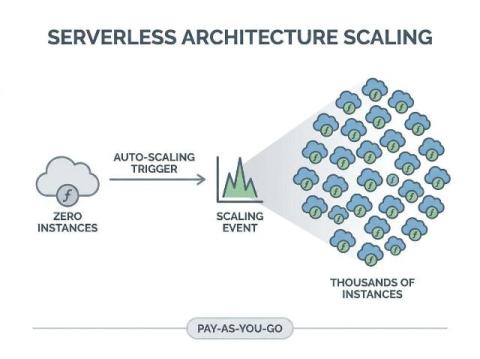
In just a few years, serverless architecture has moved from an emerging trend to a core pillar of enterprise IT. By 2026, platforms like AWS Lambda, Azure Functions, and Google Cloud Functions are handling production workloads at scale for organizations worldwide. The draw is clear: instant scalability, no server management, and a usage-based billing model that can lower costs for unpredictable workloads.

Why Simplified Test Script Creation Is the Future of Load Testing Efficiency in 2026

For many QA teams, the real challenge in load testing isn’t infrastructure – it’s the complexity of legacy, code-heavy test scripts. Over time, the drive to add more scripting features has created a tangle of logic that slows teams down and limits what can be tested efficiently. While advanced scripting offers flexibility, it often comes at the expense of time spent on setup, fragile scripts, and mounting technical debt.