

Systems | Development | Analytics | API | Testing

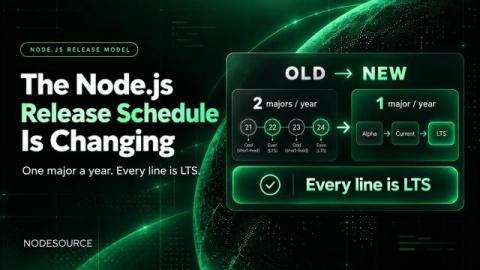
The Node.js Release Schedule Is Changing

One major per year, every major headed for LTS, and a new Alpha phase: here’s why Node.js is changing a release model that has been in place for more than a decade. For more than ten years, Node.js releases have followed a rhythm that became familiar across the ecosystem: a new major every six months, even-numbered releases moving into Long-Term Support, and odd-numbered releases serving as shorter-lived Current lines. That model brought something Node.js badly needed in 2015: predictability.

Not Every CVE Is Exploitable: How N|Solid Uses OpenVEX to Add Security Context

Finding a vulnerability is only the beginning. Modern applications depend on hundreds or even thousands of software components, and vulnerability scanners are essential for identifying known security issues across those dependencies. But there is a problem: the presence of a vulnerable dependency does not always mean your application is actually exploitable.

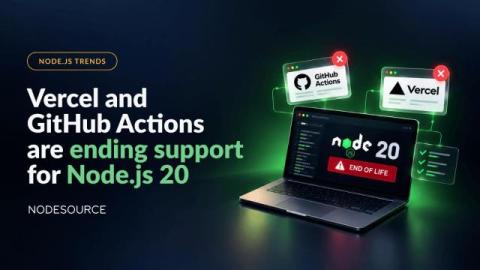
Vercel and GitHub Actions Are Ending Support for Node.js 20: What You Need to Do

Node.js 20 reached End-of-Life (EOL) on April 30, 2026. Now, the consequences of that lifecycle milestone are becoming increasingly visible across the JavaScript ecosystem. GitHub Actions removed Node.js 20 from its runners on September 23, 2026, moving JavaScript actions to Node.js 24. Vercel will follow on October 1, 2026, when Node.js 20 will no longer be available for new Builds and Functions. These are not isolated platform decisions.