Systems | Development | Analytics | API | Testing

What 2026 Building-Performance Requirements Reveal About Real Estate Data Infrastructure

2026 building-performance requirements increasingly depend on reliable property, meter, utility, and energy data, and that same normalized data can support compliance, reporting, analytics, and energy management. In 2026, several US jurisdictions reach building-performance deadlines, spanning recurring annual benchmarking, first-time compliance dates, and emissions-reduction requirements. The rules differ by jurisdiction, but many draw on the same property, meter, and utility records.

Expanding Into a New Real Estate Market? The Data and Integration Checklist You Need Before Launch

For a real estate platform, a new market can introduce different source systems, property attributes, identifiers, business rules, geographic structures, and reporting requirements, each of which enters the platform somewhere. The engineering question is where those differences land in the existing platform, and whether the current data model, integrations, search, workflows, and analytics can absorb them without a second architecture forming alongside the first.

Real Estate Investment Dashboards: What Should Executives Actually See?

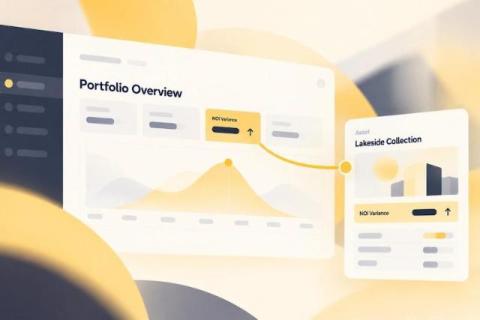
Investment leaders may see the same portfolio figures across board decks, monthly reports, and multiple reporting tools. Occupancy, cash flow, returns, and budget variances are all there. What is harder to get from that reporting is a quick understanding of what changed, whether it matters, and which asset or market deserves attention next. A reporting screen shows the numbers.

Why Real Estate Data Doesn't Match: Causes and How to Fix It

Quick answer: Real estate data often differs across systems because MLS, PMS, CRM, and ERP platforms use different identifiers, schemas, formats, and update rules to represent the same property. Fixing it isn’t a one-time cleanup. It requires a reconciliation capability: identify candidate matches, normalize values, validate them, enrich missing fields, consolidate confirmed duplicates, resolve source priority when systems disagree, and monitor for new inconsistencies as records change.

App Maintenance and Continuous Updates: What Ongoing Software Maintenance Really Requires

A production release is not the end of engineering work on a product. It is the point where the software starts living in an environment it doesn’t control. Operating systems ship new versions, dependencies get patched or deprecated, third-party APIs change their contracts, traffic grows, and newly disclosed vulnerabilities turn yesterday’s safe code into today’s exposure.