

|
By SystemsDigest
AI-driven software development has reshaped what QA teams face daily. Codebases evolve faster, release cycles are shorter, and a single missed regression can hit production within hours. Today's top automated testing platforms have moved well past scripted checks, they now use machine learning to write, maintain, and adapt tests on their own. The five platforms below represent where the market stands in 2026, chosen for their AI architecture, enterprise track record, and real documented results.

|
By SystemsDigest
Construction ERP or Enterprise Resource Planning Software is a business management platform tailored to the niche requirements of the construction industry. Its core purpose is to connect all primary construction-related activities including financial, operational, and administrative functions.

|
By SystemsDigest
Software delivery automation is moving beyond pipelines. CI/CD can compile code, run tests, build artifacts, and execute predefined deployment steps. AI agents add something different: the ability to interpret engineering work, gather context, choose what should happen next, respond to failed checks, coordinate tools, and continue working toward an outcome.

|
By SystemsDigest
The form says thank you. The sales team never sees the lead. Somewhere between WordPress and the customer management system, the information has stopped moving, yet both products appear to be online. Connected tools create useful automation, but they also create a maintenance boundary that can be easy to miss. The website's job may continue after the visitor has left the page. That part of the process needs an owner as well.

|
By SystemsDigest
A Kubernetes deployment succeeds, but the application starts returning errors. CPU utilization looks normal, yet response times climb. An autoscaler adds capacity without improving performance, and the on-call engineer spends the next hour moving between dashboards, deployment histories, logs, and configuration files. The difficulty is rarely a lack of monitoring data. It is determining which signals matter, how they relate, and what action will restore service without introducing another failure.

|
By SystemsDigest
Every web team knows the request. A client wants to change a price, fix a typo in a headline, or swap a phone number. The change takes thirty seconds to describe and, depending on how the site was built, anywhere from five minutes to two days to ship.
|
By SystemsDigest
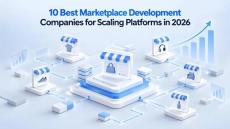
Most marketplace listicles are written for founders shipping their first MVP. This one is for the team after that: GMV is real, sellers are onboarding weekly, and the platform that got you here is starting to crack. I wrote it for CTOs and product leaders at Series B+ marketplaces choosing a partner for the next stage of growth.

|
By SystemsDigest
Ask a sustainability team what slowed their last disclosure and the answer is usually mundane: inconsistent units, missing supplier records, emission factors applied three different ways across four business units, and no audit trail explaining why a number changed between drafts.

|
By SystemsDigest
TLDR: Device specific threat intelligence is provided by using device specific threat intelligence platforms like PCA Cervus that look at component level risks. Device-centric threat intelligence is threat intelligence that focuses specifically on risks to a connected device like a point of sale terminal or a card reader. This post explains what device centric threat intelligence is and how it differs from traditional SOC centric threat intelligence and what to look for in threat intelligence feed so you can be sure it gives device centric intelligence vs generic SOC focused intel.

|
By SystemsDigest
TLDR: Product threat intelligence comes from using product specific threat intelligence platforms like PCA CERVUS and is specific to individual products and their parts. Most threat intelligence platforms are built for security operations centres (SOCs) and thus they track attacker infrastructure and campaigns aimed at corporate networks. These platforms are designed to help an SOC defend an organization and give the TTPs needed to run red teaming or pen testing against these environments also.
- October 2026 (11)
- September 2026 (16)
- August 2026 (17)
- July 2026 (13)
- June 2026 (8)
- May 2026 (2)
- April 2026 (3)
- March 2026 (4)
- February 2026 (3)
- January 2026 (3)
- December 2025 (1)
- November 2025 (3)
- October 2025 (6)
- September 2025 (2)
- August 2025 (2)
- July 2025 (2)
- June 2025 (1)
- May 2025 (1)
- April 2025 (1)
- March 2025 (3)
- February 2025 (2)
- January 2025 (3)
- December 2024 (2)
- November 2024 (4)
- October 2024 (2)
- September 2024 (2)
- August 2024 (1)
- July 2024 (2)
- June 2024 (4)
- May 2024 (4)
- April 2024 (2)
- March 2024 (1)
- February 2024 (4)
- January 2024 (2)
- December 2023 (1)
- October 2023 (5)
- September 2023 (1)
- August 2023 (4)
- July 2023 (1)
- June 2023 (3)
- May 2023 (5)
- April 2023 (2)
- March 2023 (1)
- February 2023 (4)
- January 2023 (2)
- December 2022 (1)
- November 2022 (5)
- October 2022 (1)
SystemsDigest provides a platform dedicated to News and Information for software development applications and tools.
The goal of the platform is to raise the profile of development tools among users, developers, enthusiasts and decision-makers by providing a single source for news, reviews, events, blogs and other useful information dedicated to development applications and tools.