Introducing Multiple Snowflake Configurations per ThoughtSpot Connection

Organizations leveraging cloud data warehouses like Snowflake require the ability to efficiently manage and optimize their data connections. Without this, data teams will face challenges with various use cases, such as workload distribution and environment testing. Recognizing the need for greater flexibility and control over data connections, ThoughtSpot developed a powerful new feature: Multiple Configurations per Connection.


What is a database?

A database is a storage system that stores data in an organized manner for easy access and management. In just the last two years, 90% of the world’s data has been created, and the volume of global data doubles every two years. All this data is stored in databases. So, whether you’re checking the weather on your phone, making an online purchase, or even reading this blog, you’re accessing data stored in a database, highlighting their importance in modern data management.

Landing Page Best Practices for B2B SaaS and Tech Companies

Enjoy reading this blog post written by our experts or partners. If you want to see what Databox can do for you, click here. Google “landing page statistics” and you’ll find plenty of statistics for landing page performance in all businesses, but not so much for specific niches. If you work in B2B SaaS or tech, you know that your audience has specific needs that a one-size-fits-all approach can’t meet.

Best Practices for Your Project Reporting Toolbox

The complexity and variability of project-based businesses represent distinct challenges for finance and accounting teams. Costing, procurement, subcontractor management, and labor combine to create a level of intricacy that businesses in other sectors don’t have to contend with. How do you navigate the complexity of your project-based financial reporting?

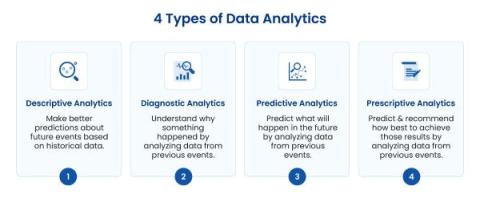
Data Science vs. Data Analytics: Key Differences

Organizations increasingly use data to gain a competitive edge. Two key disciplines have emerged at the forefront of this approach: data science and data analytics. While both fields help you extract insights from data, data analytics focuses more on analyzing historical data to guide decisions in the present. In contrast, data science enables you to create data-driven algorithms to forecast future outcomes. These disciplines differ significantly in their methodologies, tools, and outcomes.

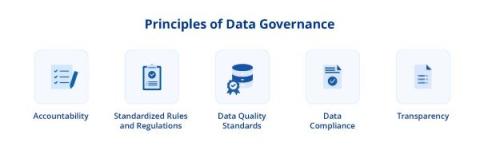
5 Key Data Governance Principles for Effective Data Management

Digitalization has led to more data collection, integral to many industries from healthcare diagnoses to financial transactions. For instance, hospitals use data governance practices to break siloed data and decrease the risk of misdiagnosis or treatment delays. Therefore, managing data to protect its integrity and security leads to high-quality, reliable data that empowers organizations to make informed decisions.

Defining Asynchronous Microservice APIs for Fraud Detection | Designing Event-Driven Microservices

In this video, Wade explores the process of decomposing a monolith into a series of microservices. You'll see how Tributary bank extracts a variety of API methods from an existing monolith. Tributary Bank wants to decompose its monolith into a series of microservices. They are going to start with their Fraud Detection service. However, before they can start, they first have to untangle the existing code. They will need to define a clean API that will allow them to move the functionality to an asynchronous, event-driven microservice.