Systems | Development | Analytics | API | Testing

Appian Platform Overview

Appian brings #orchestration, #automation, and #intelligence together in a secure, performant platform for managing your most complex processes. Consolidate your enterprise systems with data fabric, simplify your application architecture with low-code design for building apps and workflows, and unleash your process potential with AI-powered automation for a more adaptable and optimized business. Move your business forward with process orchestration from Appian.


Elevate Your Integration Development Experience with WSO2 Micro Integrator 4.3.0

The robust and reliable WSO2 Micro Integrator, leveraged in thousands of deployments over the past decade, just got even better with the 4.3.0 release. This update introduces many enhancements, particularly in development productivity, with the new extension for VS Code and AI-assisted development capabilities.

What is Business Process Orchestration? 4 Essentials

Processes are the foundation of your organization. They lay the groundwork for how your business operates, from product development and customer service to procurement and financial operations—and everything in between. Even work that isn’t formally defined in a process is likely a part of one. If you’ve ever tried to map or document a business process, you’ve probably learned that there’s no straightforward way to get it done.

5 AI Product Metrics to Track: A Guide to Measuring Success

Not long ago, the thought of Artificial intelligence (AI) products becoming mainstream seemed far off. Fast forward to the widespread adoption of ChatGPT, Gemini, and other large-scale apps, and it’s easy to see that the world has changed drastically. AI isn’t just the future anymore – it’s the present, and every business is hopping on the bandwagon. From chatbots streamlining customer service to algorithms predicting market trends, AI is reshaping how businesses operate.

Why choose flutter for app development?

Our digital world is brimming with an infinite number of gadgets that operate on multiple operating systems. So, how do you go about creating a mobile app for your business that can reach broader audiences efficiently and effectively without any glitches? Well, that’s a tough nut to crack! As the resources necessary to develop applications for multiple platforms and choosing the best mobile app development company may be cumbersome for small businesses.

What's Coming in Ruby on Rails 7.2: Database Features in Active Record

Ruby on Rails is currently in major version 7.1 and rolling towards Rails 8, the next comprehensive new release. Before Rails 8, though, there’s a significant version that will help bridge the gap: Ruby on Rails 7.2. In this post, we’ll dive into several noteworthy changes in Ruby on Rails 7.2, focusing on the support for database changes in Active Record. You'll come away with hands-on opportunities to work with these features. Let's get started!

Grokking DynamoDB with TypeScript

DynamoDB is a fully managed NoSQL database service provided by AWS. It is highly available, scalable, and a great fit for applications that need to handle large amounts of data with low latency. DynamoDB is a key-value document database, meaning that it is schema-less and can store any kind of data. It is also a serverless service, so you don’t have to worry about managing and scaling servers. In this take, we will model data in DynamoDB using TypeScript.

Streamlining Cloud Native App Development in Kubernetes #WordsUnplugged

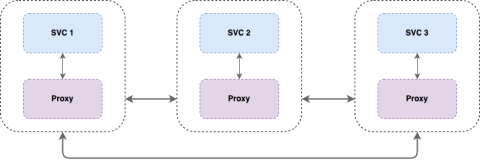
As Kubernetes adoption grows, effective API management within this ecosystem becomes crucial. The Gateway API specification is a promising solution, addressing the challenges of integrating API management into Kubernetes' declarative, GitOps-driven environment. Although the initial response to the specification has been positive, its full impact and adoption are still unfolding. Vendors must balance the desire for interoperability with the need to differentiate their offerings, navigating complex market dynamics.

7 Steps to Implement Better Business Observability

Business observability is like having x-ray vision for your business systems. It allows you to see and understand the inner workings of your operations through the data they generate—logs, metrics, and traces. Unlike traditional monitoring that detects issues, observability dives deeper to reveal why problems occur and their potential business impacts. Without it, you’re flying blind, hoping nothing breaks. It’s like driving a car without a dashboard.