We collect the latest Development, Anaytics, API & Testing news from around the globe and deliver it direct to your inbox. One email per week, no spam.
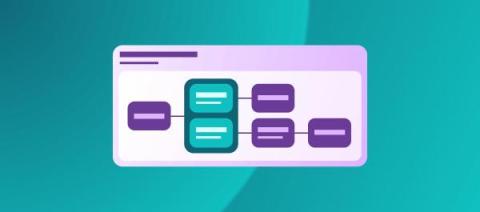
How did the Kong Mesh team design and bring Kong Mesh into Kong Konnect? In this blog post, we’re going to dive into this question to understand what’s going on behind the scenes with Mesh Manager.
If you’re one of those website owners or businesses that employ a Facebook live chat widget on their website, this post is more than critical for you. Facebook is very soon (May 9, 2024) about to terminate the operation of its live chat—the embedded widget that allows you to use it as your website chat plugin. Currently, countless users employ Facebook live chat on their websites. All these people must find alternatives to their current plugin once Facebook stops offering its live chat.
At Kong, we take the robustness and performance of our gateway product seriously, dedicating ourselves to maintaining high standards through a robust internal benchmark framework and infrastructure. Our setup includes a dedicated bare metal cluster for running performance tests, seamlessly integrated into our CI/CD process. Moreover, we conduct extensive performance testing for each major, minor, and patch release candidate.
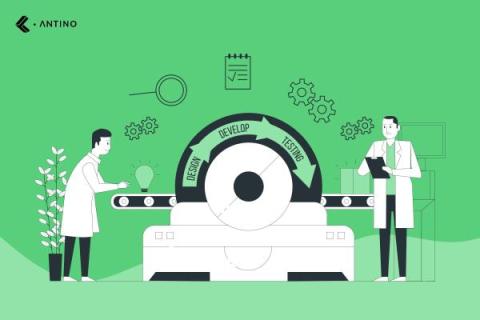
Bringing your futuristic vision for a new product to life is one of the biggest hurdles for aspiring entrepreneurs. The new product development process may seem mysterious in the beginning, however, when cracked, this journey to a final product can easily become a straight line. The majority of customers shopping online regularly are usually clueless about the rigorous and time-consuming process that every product goes through before they enter the digital realm.
Discover how to streamline your Gradle builds with the new Critical Path Analyzer and Diagnostic Builds features. It helps you to identify and resolve bottlenecks, quicker, making your build and test processes faster and more efficient.
Speed up your builds. In this blog post, we take a closer look at Bazel's Remote Caching. We explore how the API specification and client-side implementation can dramatically reduce build times through efficient cache reuse. A must-read for developers seeking efficiency.
Learn how to implement end-to-end process automation strategies successfully. Discover which hyperautomation technologies drive immediate and future business impact in the Gartner® Emerging Tech Impact Radar: Hyperautomation Report. Discover which use cases you should focus on for business process automation. Download theGartner® Market Guide for Business Process Automation Tools.
Low-code is here to stay. In fact, Gartner anticipates the adoption of low-code development platforms will grow 20% per year to $44.5 billion by 2026. However, while low-code offers enterprise IT leaders undeniable advantages, its role in shaping the future of process automation is nuanced. This blog delves into the dichotomy of low-code's potential, exploring why it is the future but not the sole solution for process automation.
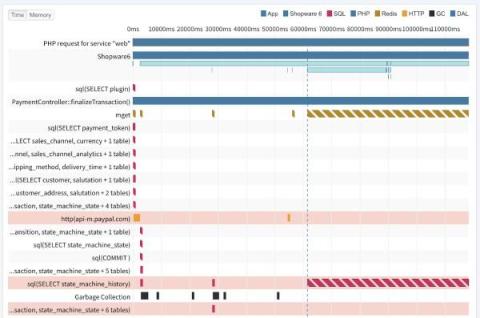
A few weeks ago, Andrey from Ecommlab contacted me to ask me about a strategy to get performance insights from Tideways into Shopware 6 checkout. The store of our joint customer “Bär Schuhe” was slow for customers during the order confirmation process.