How to Upgrade to Laravel 9
Upgrading your Laravel app has many benefits: preventing security vulnerabilities, access to new features, and more. Read this article to learn what's new in Laravel 9 and how to upgrade in record time.


Upgrading your Laravel app has many benefits: preventing security vulnerabilities, access to new features, and more. Read this article to learn what's new in Laravel 9 and how to upgrade in record time.
Learn how to use fastlane and fastlane Match to manage iOS code signing for multiple apps at a scale on Bitrise.
What is caching, and why should you care? In this article, we cover topics like what a cache is, how caching works, how it can speed up your build times, why you should cache your builds, and more.
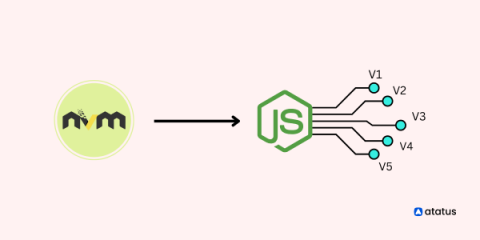
If you have worked in the developing scenes, you know how important programming language versions are. Every time the company releases a new version of their language, they have significantly improved and worked upon its older versions. And most of the time, the older versions get deprecated and become out-of-use for building modern web applications. When Ryan Dahl first built Node.js in 2009, it was supported only on Mac OS and Linux.
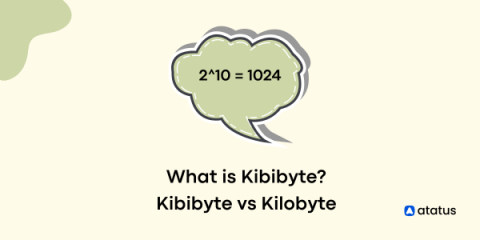
As a matter of fact, the entire metric system we use today is based on decimals, in fact, all measurements are made in decimals. Be it a kilogram (10^3 gram) or millimeter (10^-3 meter). But not so for computer engineers! It was during the early days of programming that they found out computer systems worked better with 1024 rather than 1000.
Exceptions are unintended events that take place when a program is being executed or during its runtime causing disruptions to the program's overall logic. In Ruby, a program is enclosed between the begin and end blocks and a rescue block is used to tell what types of exceptions are to be handled. When no class is specified, by default, a RuntimeError is raised by Kernel#raise.
The ActionController::UnpermittedParameters error occurs when a parameter that has been passed is not permitted in a create, an update, or a user-defined action. In older versions of Rails, information about the unpermitted keys was provided in the logs only when an unpermitted parameter was found in a request. This did not provide enough information for the developers to understand which controller and action received the unpermitted parameters.
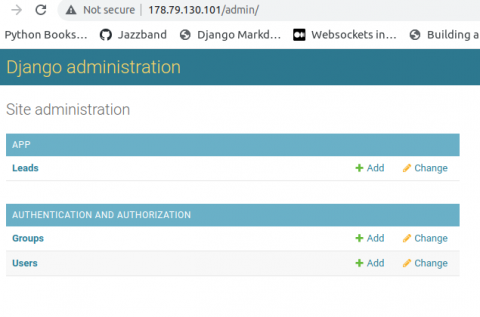
Do you need complete control over your production environment? If so, you might want to skip the Platform as a Service (PaaS) offerings and deploy to your own server instead. This article describes deploying a Django application to an Ubuntu server at Linode.
The urllib.error.HTTPError is a class in the Python urllib library that represents an HTTP error. An HTTPError is raised when an HTTP request returns a status code that represents an error, such as 4xx (client error) or 5xx (server error).