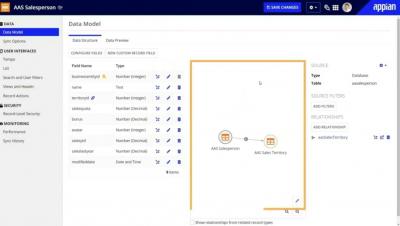
Appian Platform Demonstration
Learn how Appian can help you streamline your workflow.


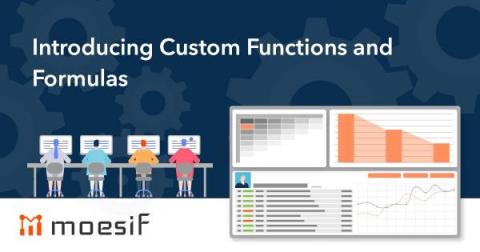
At Moesif we are always looking for ways for our users to derive even more valuable insights from their data. We pride ourselves on the fact that there is something for everyone on the platform, whether it’s engineering, marketing, customer success, or even sales departments. Recently we added a new way to drill even further into your metrics: Custom Functions and Formulas!
Ethereum has experienced dazzling growth in recent years. The programmable blockchain now has approximately 220 million unique addresses. Linked to the increase in users is an explosion in the number of dApps. Global companies and startups across finance, sales, HR, accounting, supply chain and manufacturing are using dApps to streamline processes and onboard new customers. Multiple frameworks exist that simplify the dApp development process for web2 developers who want to participate in web3.
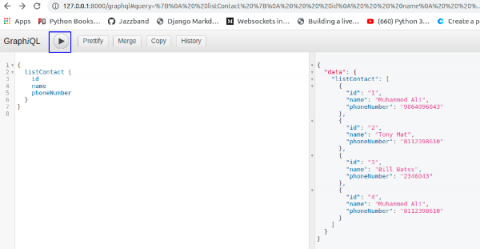
If you've ever wondered if there is a better way to build and consume APIs, you should check out GraphQL—it's better than REST in many cases. This article discusses how to work with GraphQL in Django.
Business analytics is the practice of using data and statistical analysis to help businesses make better decisions. This can involve analyzing data to identify trends, patterns, and relationships, and using that information to help businesses make better decisions about their operations, marketing, and strategy.
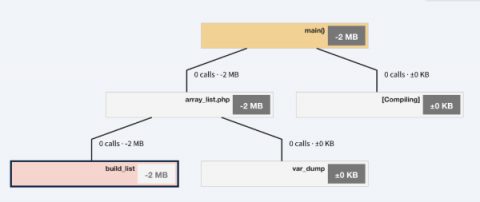
Now that 2022 is over, its time to review newsworthy topics about performance in the PHP language. As this is the first time we are doing this type of blog post, please let us know your thoughts about this format and if we forgot important topics.
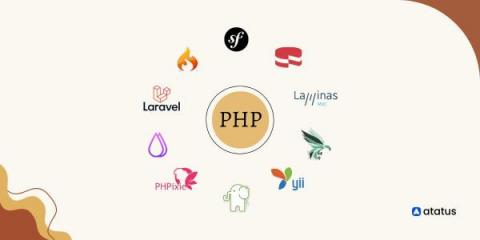
PHP’s dynamism has certainly created a niche for it among the languages in the programming world. The ability to create cross-platform applications and compatibility with nearly, all the modern servers tops its open-sourceness, making it all the more desirable. PHP scripts can easily be inserted into HTML files, allowing developers to transform static website code into dynamic front-end applications.
Go, also known as Golang, is a popular programming language that is performant and easy to learn. Go is known as a great language for building scalable and high-performance web applications. One key area where Go shines is in building REST APIs, which are essential for enabling communication between different systems and devices over the web.