Intro To Rspec Mocks
RSpec provides tools that help you test the behavior of your Ruby objects. Join Abiodun Olowode for a tour of mocks, stubs, and spies—and learn how to use them in your Ruby projects!


RSpec provides tools that help you test the behavior of your Ruby objects. Join Abiodun Olowode for a tour of mocks, stubs, and spies—and learn how to use them in your Ruby projects!
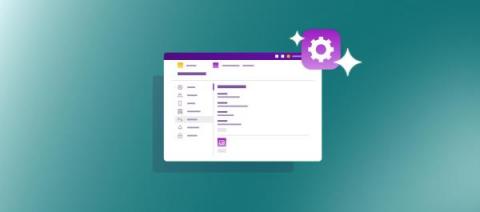
All your app-level settings are available on one page to simplify handling test devices, notifications, and more.
Case management software is often confused by the word “case.” Let's debunk this. Case management is a type of work where all tasks revolve around a noun (person, place, event, etc.) that needs to be resolved in a loose or unstructured pattern.
In the competitive software industry, many new products are purpose-built to provide value to end-users. Project viability depends not just on the accuracy of the product in meeting user requirements, but also on the time and resources spent in its development. Using fewer resources may enable faster development and allow the business to cash in on an identified opportunity faster. But exactly how do you get from concept to product fast, while staying true to design objectives?
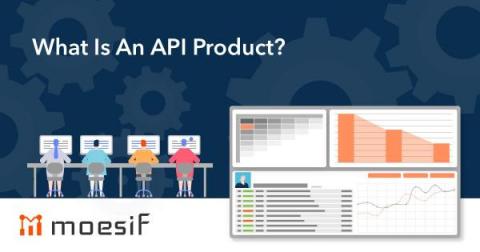
We’ve all heard the terms API product or API-as-a-product. The terms themselves seemed to be used quite freely, leaving some of us with an assumption of what is meant but without a really solid grasp. As joining and contributing to the API economy becomes more desirable, API products are a crucial part of any business that is looking to tap into it. So asking “what is an API product?” is a really relevant question with many different angles.
In this article, we will configure Capistrano in a Ruby on Rails application. We will then deploy the app to a cloud instance that runs Ubuntu as an operating system, independent of your hosting provider. You can use any cloud service, or even an on-premises server, to test or replicate the steps we'll take. Once we've deployed the app, we'll look briefly at how you can monitor your app's deployments using AppSignal. But first, you might ask: why should I use Capistrano in the first place?
Writing tests for an application is the most difficult but necessary element of a development process. Tests ensure correct code maintenance and enhanced code quality. In this tutorial, we’ll show the best way to handle side effects in your Node.js applications. But first, let's define side-effects.
The past few years have accelerated the need for every business, irrespective of their industry of operation, to provide dynamic digital experiences. Consumers now demand digital experiences that are simple, seamless, personalized, always on, and (inherently) secure from every organization they do business with. During this journey towards digitalization, businesses have often realized that this process enables them to open themselves up towards new business opportunities and modern business models.
Now in beta: break your Workflows into Stages, build and test in parallel, shard your tests, and get faster PR feedback.