How to migrate your Flutter apps from Jenkins and fastlane to Bitrise
This article is a step-by-step guide with hands-on tips for migrating your Flutter apps from Jenkins to Bitrise, quickly and easily.


This article is a step-by-step guide with hands-on tips for migrating your Flutter apps from Jenkins to Bitrise, quickly and easily.
NodeSource is excited to announce N|Solid v4.5.8 which contains the following changes: For detailed information on installing and using N|Solid, please refer to the N|Solid User Guide.
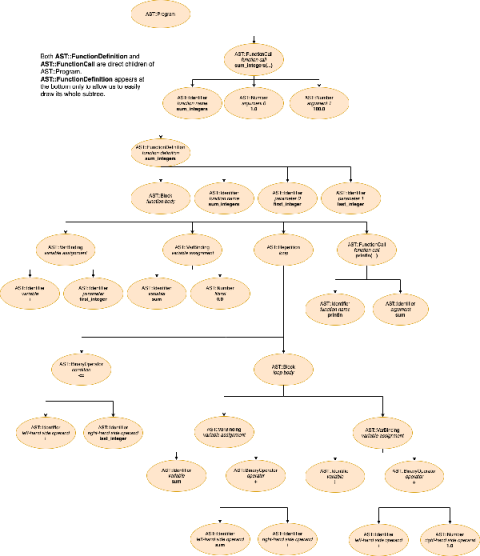
This article is the next in our series about building a toy programming language in Ruby. Alex Braha Stoll shows us how to implement the interpreter for function definitions, variable declarations, and more.
A hands-on article about how to build and test your Android app on physical devices on the cloud with Espresso, AWS Device Farm, and Bitrise.
This article is a hands-on guide to run Appium UI tests for Android apps. I will explain the integration between Appium and Bitrise and give you useful tips to make the most out of both tools.
During the execution of a PHP application, it is possible for it to generate a wide range of warnings and errors. For developers seeking to troubleshoot a misbehaving application, being able to observe these errors is critical. Developers, on the other hand, frequently encounter difficulties when attempting to display errors from their PHP applications. Instead, their applications simply stop working.
The Java Persistence API (JPA) is used in most Java applications to interact with a relational database. One of its most popular implementations is the Hibernate ORM, because it uses object-relational mapping to abstract database interactions and makes implementing simple CRUD operations very simple. But this abstraction also has its downsides. Hibernate uses a lot of internal optimizations and hides all database interactions behind its API.
Sofy.ai is a no-code mobile app testing platform for engineers, and we have some happy news: the Sofy Upload Step is the newest member of our Verified Step family!
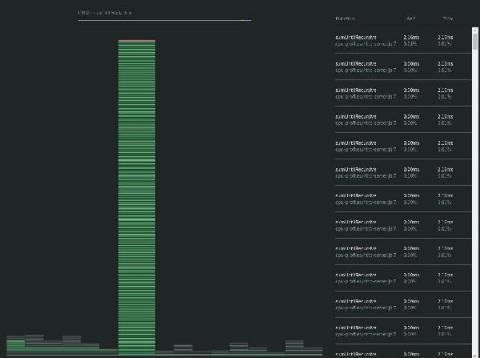
With Node.js applications and services, spotting the performance bottlenecks in your applications is deciding to take real advantage of the speed and reliability that Node.js has to offer. A CPU profile is a way to understand how your application is executed, what functions devour what percent of CPU time, and provides enough information for a more precise application diagnostic.
Logging helps developers in reducing errors and cyber-attacks. The application is designed to be dynamic. We can't always predict how an application will react to data changes, errors, or program changes. Logging in allows us to better understand our own programs. For all applications, an absolute logging solution is essential. A good logging system increases the application's stability and makes it easier to maintain on the production server.