Systems | Development | Analytics | API | Testing

Modern Software Development For Today's Systems & Applications



Imaginary Test Data. Real Token Bill.
Ask an AI for K-pop concert advice without saying the group, city, date, or budget. It may confidently send you to a BLACKPINK tribute night in Cleveland with a $400 resale ticket. The AI was plenty confident. It just had nothing real to go on. That is exactly what happens when developers test AI applications with invented traffic. The test may look reasonable. The result may even pass.



Introducing tfgen: configure your Terraform stacks using plain Go
Until recently, we extensively used HashiCorp's CDK for Terraform. Then they announced the end of its development. We didn't want to spend months migrating to a new ecosystem, but we needed a replacement. In the Infrastructure Team at Ably, we like Go. I wondered if there was an opportunity for something simpler.
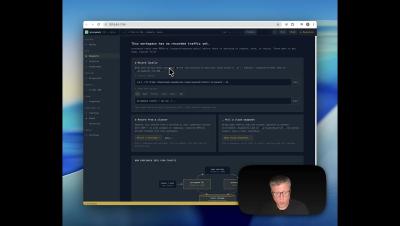
Instant Kubernetes Observability with Proxymock #speedscale #kubernetes #ebpf #devops #cloudnative
Learn how to get instant observability into your Kubernetes cluster by installing the Speedscale operator and proxymock tool. In this step-by-step tutorial, we walk you through setting up the operator to capture live network traffic (including encrypted traffic, API calls, and database calls) without complex instrumentation or manual configuration.

UFO.Hosting Review (2026): Budget $6 VPS, 10 Gbps Uplinks & Bare-Metal Servers
Building a resilient server infrastructure requires a constant balance between hardware performance, network bandwidth, and overall cost. Hosting provider UFO.Hosting has drawn significant attention within the IT community due to its combination of affordable VPS plans, high-speed uplink ports reaching up to 10 Gbps, and a flexible choice of server deployment locations. The editorial team at SystemsDigest conducted a comprehensive analysis of the provider, evaluating company reliability, network connectivity, and hardware potential under heavy workloads.
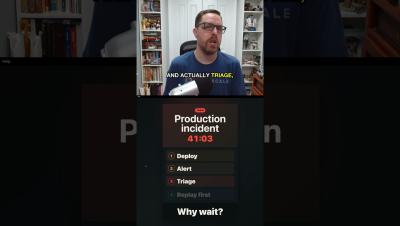
Catch Issues BEFORE Production! #speedscale #vibecoding #devops #sre #softwareengineer
Instead of waiting for an alert to trigger a long, stressful triage and replication process, catch the issue before it reaches production by replaying real traffic against your code first.
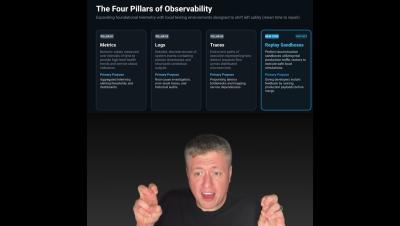
AI is Exposing Observability's Dirty Secret
The 3 pillars of observability are breaking. For years, dev teams relied on Logs, Metrics, and Traces to know when something went wrong. But now? AI agents are writing, deploying, and changing code in real-time. When an AI hallucination pushes a bug to production, standard monitoring sees nothing wrong.To survive the AI era, we need a 4th Pillar of Observability. Watch to find out what it is and why the old way of monitoring just became obsolete.

Why Fable 5 is an Existential Crisis
#fable5 #softwareengineer #testing #softwaretesting