
Systems | Development | Analytics | API | Testing

Analytics Experience Explained

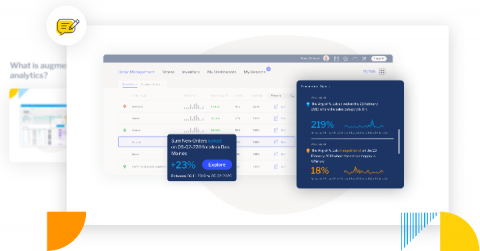
One of the really big trends that we're seeing in the analytics space, is the move towards talking about the analytics experience. Analytics experience is about supporting or triggering decisions and transactions. This is a shift from what I would describe as the passive use of analytics, where people were expected to use dashboards and reports that didn't add a lot of value to their transactions or decision making. The difference sounds subtle, but it's really quite profound.

What is Contextual Analytics?

As a product feature for your app, embedded analytics is undoubtedly a valuable tool. But historically, many product managers and software developers have approached it as a standalone capability. This has led to dashboards and reporting modules added as an afterthought, rather than as a founding strategic component of the core application.

Yellowfin 9.3 Release Highlights

Broadcasting is now available in this release for both dashboards and presentations. Just like reports, you can now enable scheduled delivery of these analytic content to different audiences. We have also included additional options for schedules — making it more granular for specific frequencies. For example, for fortnightly broadcasts I can now set the delivery to be on the second Monday. Or for monthly broadcasts, to have deliveries happen on the fifth day every month.

The embedded analytics maturity curve - where does your software or app rank?

An exceptional embedded analytics offering is underpinned by the right strategy and framework - and this starts with a clear vision. To maximize the value of data assets, you may need to recognize and then address where your product may need to improve it’s BI maturity level. To do this, it’s time to focus on where your analytics development capability and tooling is today.

Why prospects hunt us down

A few years ago, we got an evaluation form from a prospective customer wanting to understand more about what we do. In the comments they wrote... “Please don't chase me down like those bastards at Sisense” That little nugget of gold told me a lot about the way our buyers want to purchase software - everyone hates talking to a salesperson too early. So we decided to turn our sales process on its head and put all of our technical evaluation content online.

Reflecting on the past six months

I know a lot of organizations have really struggled in the current environment, but the last six months have actually been quite exciting for us at Yellowfin. We've achieved a lot and have built a fantastic strategy for the future. We have really focused in on our sales organization, hiring a new VP of Global Sales, Josh Read, and appointing new sales leadership in the regions as well.

Dashboards vs automated business monitoring: What's the difference?

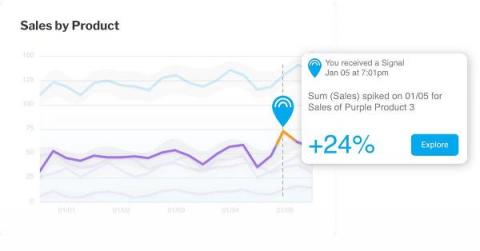
In 2020, however, contining to rely just on dashboards for your BI needs isn't enough. Why? Data is growing exponentially - in both size and complexity - within every business today. Manually keeping track of performance and searching for insights has become difficult for many users, and it's fostered new expectations - to be able to do more with analytics - including making it faster and easier to keep on top of changes or opportunities.

Yellowfin: the embedded BI platform of choice for dashboard designers

For our Head of Product Design and Creative Director, Tony Prysten, design is always top of mind. In analytics platforms, good design plays an important role in how people understand and use data. Here Tony shares how Yellowfin has been created with designers and developers in mind.

What data tells us about crime during lockdown

Recently, we took another look at our Chicago crime dataset to see what was different in crime as a result of the COVID-19 lockdown and what we found was fascinating. This is a dataset provided by the City of Chicago that tracks any type of reported crime. We often use it to demonstrate the power of Yellowfin. The first thing we saw was that a lot of crime went down. This chart shows crime rates in Chicago over the past two years.