Systems | Development | Analytics | API | Testing

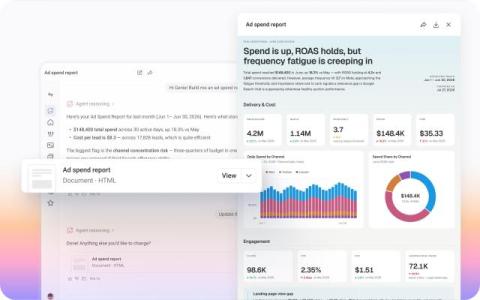
New: Trusted data for the people and the AI making decisions on it

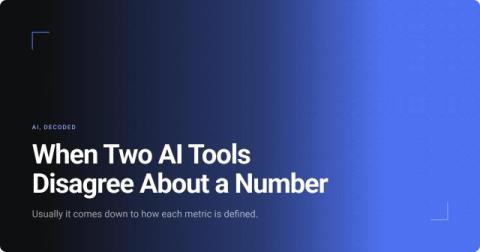
Ask three people in your company to pull the number of active customers this month, and you’ll probably get three different answers, even though each person labeled the metric the same way. One counts everyone who logged in, another counts only paying users, and a third filters down to a single plan tier. Nobody is wrong here. They’re all working from real data; they just never agreed on a single definition. Do that enough times, and the data itself becomes the thing everyone argues about.

10 Best Google Data Studio (formerly Looker Studio) Alternatives for Analytics in 2026

On April 11, 2026, Google renamed Looker Studio back to Data Studio to end years of confusion with the enterprise Looker product. The rename did not change the underlying architecture: Data Studio remains a visualization layer, not a data integration platform. That means the moment you need sources beyond Google Analytics, Google Ads, and BigQuery, you are handling extraction, transformation, schema changes, and cross-platform normalization on your own, or paying for connectors that do it for you.

How to Run a Campaign Post-Mortem With AI: A Worked Example

A marketing director sits down ten days after her campaign closed. Six browser tabs are open: LinkedIn Ads, HubSpot, GA4, Mailchimp, an attribution spreadsheet, and a blank doc that is supposed to become the post-mortem narrative. The meeting is in two hours. She knows something broke in the middle of the funnel (pipeline came in below target), but she cannot prove where or why until she reconciles numbers across all six sources.

Why AI Agents Need a Semantic Layer (and What That Actually Means in 2026)

Everyone is racing to put an AI agent on top of their data. Almost nobody is asking whether the agent can be trusted to act on what it sees. That is the wrong order. And the way most teams are trying to fix it — bigger context windows, more reasoning, another eval — is also wrong. The generative model stopped being the hard part of agentic analytics months ago. Wiring an LLM to a warehouse is a weekend project.

How to Connect Business Data to Claude (and Actually Get Accurate Answers)

You ask Claude what your MRR was last month. The answer comes back fast, formatted cleanly, stated with total confidence, and completely wrong. Not because Claude is broken, but because it was guessing. Claude has no live connection to your business data by default. It cannot query your CRM, pull from your ad platforms, or check your billing system. So when a marketing manager asks about their numbers, Claude either refuses or generates a plausible-sounding figure based on patterns in its training data.