
Systems | Development | Analytics | API | Testing

Why AI-Generated Code Needs AI-Powered Testing: The Validation Gap Developers Are Missing

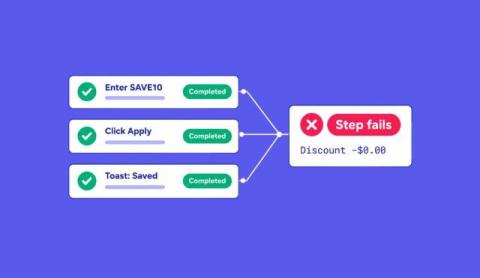
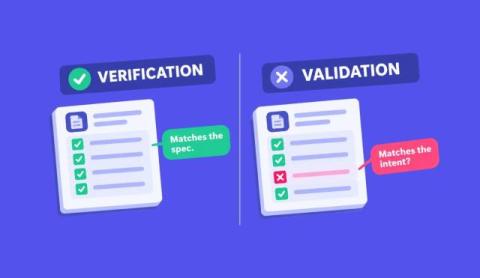
You have an AI coding assistant open. You describe a function in plain language, it generates 40 lines of clean, well-structured code in under ten seconds, you review it briefly, it looks right, and you ship it. That workflow is now routine for millions of developers. The speed is real. The output looks authoritative. The problem is that looking right and being right are not the same thing.

QA Tool Sprawl: The Hidden Cost of Fragmented Testing (And How to Fix It)

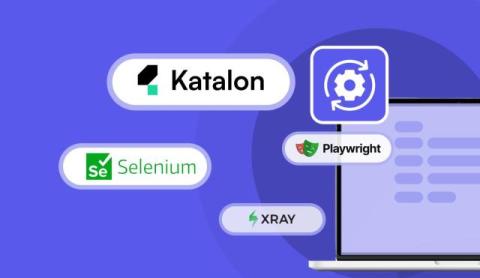
TestRail for test cases. Selenium for automation. BrowserStack for cloud execution. SauceLabs for mobile. A Confluence page that passes for reporting. Slack threading together everything in between. You have not built a QA practice. You have built a filing system with five different login screens, five separate billing cycles, and five data silos that refuse to speak to each other.

AI Testing Best Practices - Why Human Governance Separates Real AI Platforms from Hype

There is a scenario playing out in QA teams everywhere right now. A team adopts an AI testing tool, runs it for the first time, and gets 300 test cases in minutes. The demo worked. The ROI math looked great. But three sprints later, 60 of those test cases are validating requirements that were updated in the last sprint. Twenty more test a user flow that was deprecated. The AI performed exactly as advertised. The governance system never existed.

What Is a Unified Quality Platform? Why Point Solutions Fail Enterprise Teams

Every engineering function has a system of record. Developers have GitHub. Product teams have Jira. Infrastructure has Datadog. Customer success has Salesforce. But ask a Head of QA where their single source of truth lives, and the answer is usually a pause, followed by "...it depends which tool you mean.".

XPath vs CSS Selectors in Katalon: Write Stable Locators

Robust test automation in Katalon Studio starts with stable test objects. Flaky tests almost always trace back to one root cause: brittle locators that break the moment the UI changes. The best approach is to use unique, static attributes like id or custom data-qa attributes. When those aren't available, CSS and XPath are your tools. This post covers how to write each type of selector, when to choose one over the other, and how to handle dynamic attributes using contains() and starts-with(). At a glance.

Ai-Powered Test Automation: A Complete Guide for Engineering Leaders

Your developers are shipping more code than ever. GitHub Copilot, Cursor, and tools like them have fundamentally changed developer throughput - some teams are seeing 40-76% more code per person per sprint. That is the headline everyone celebrates. The part that keeps engineering leaders up at night is the other side of that equation: your testing pipeline has not changed at the same pace. Tests that used to gate two releases a week now need to gate ten.

AI in Software Testing: The Triple Threat to QA in 2026

It is Monday morning. Your VP of Engineering just forwarded a company-wide memo: every team needs to demonstrate AI adoption by end of quarter. At the same time, you learned last week that your QA budget was trimmed by 15%, because leadership assumes AI will "make testing more efficient." And your developers? Thanks to Copilot, Cursor, and Claude Code, they are now shipping 76% more code per person than they were two years ago.

Katalon Product Roundup | January 2026

February brings a wave of upgrades across the Katalon platform to help you test smarter, not harder. From deeply customizable analytics dashboards and native release management in TestOps, to AI-driven API test generation, self-healing, and a modernized Studio 11 runtime, this month focuses on visibility, stability, and speed at scale.

User Acceptance Testing vs Regression Testing: Key Differences and When to Use Each

Regression testing is a technical validation performed by QA teams to ensure that code changes haven't broken existing functionality. It asks the question: "Did we break anything that previously worked?" Regression tests run continuously throughout development, often automated within CI/CD pipelines, protecting the application's stability as it evolves. User Acceptance Testing (UAT), on the other hand, is a business validation performed by actual users or stakeholders. It asks.