
Who would have imagined, five years ago, that staying relevant in QA in 2026 might involve… poetry? Not writing it for fun, but kind of weaponizing it.
You are halfway through a sprint demo when a teammate quietly flags something odd in staging. Minutes later, production logs confirm the issue is already live.
Achievements include appointment of new CEO, the launch of LeoAI Engine suite, expanded partner ecosystem, and the addition of leading brands to global customer roster.
A QA crisis rarely knocks politely, it usually shows up in the middle of a normal day. One moment everything looks fine, and the next, dashboards turn red, customers hit roadblocks, or a service chain starts to unravel.
In November 2023, I flew to Germany to speak at Agile Testing Days, one of the leading software testing conferences. My keynote was called “10x Software Testing.” I knew there would be skepticism in the room.
AI now sits inside most software, whether teams planned for it or not. A recent report from Stanford HAI found that AI adoption jumped from 55 percent in 2023 to 78 percent in 2024.
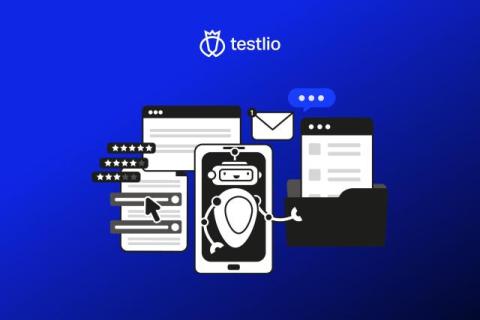
Agentic AI is now moving into quality assurance (QA), and its impact is undeniable. What used to be a human-only responsibility is now becoming a shared system of humans and intelligent agents that observe, reason, and act across the stack.