Systems | Development | Analytics | API | Testing

Automation 101 with Xray: Beginner to Pro

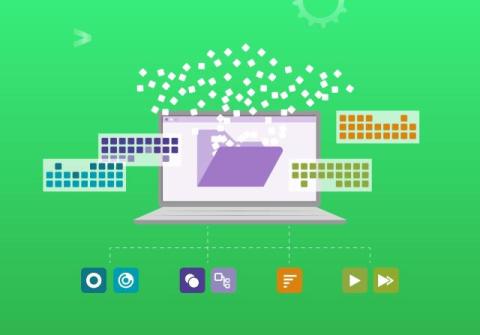
Nowadays, Agile and DevOps practices demand rapid iterations and continuous testing to ensure software quality. Manual testing alone can’t keep up with this speed, making test automation important to continue delivering high-quality products at a rapid rate. Despite its advantages, test automation isn’t as simple as writing and running a few scripts.

Automation metrics that matter: a guide for QA leads

Quality Assurance (QA) leads ensure that automated testing contributes to delivering high-quality products. But how do you measure the success of your automation efforts? This is where tracking the right metrics becomes essential. Automation metrics provide QA leads with insights into the efficiency, reliability, and impact of their testing strategies. When used effectively, these metrics can identify bottlenecks, guide decision-making, and improve overall team performance.

The role of reporting in scaling QA processes

Quality Assurance (QA) ensures that products meet defined standards and function as intended. As businesses grow and software becomes more complex, the need for scaling QA processes becomes even more noticeable. On the other hand, reporting helps track the progress of testing efforts, identifies defects, and measures the effectiveness of test strategies. Without proper reporting, it's challenging to maintain control over quality, especially as projects grow.

AI in performance testing: beyond traditional load testing

Before diving in, it's important to define three key concepts: However, traditional methods often have limitations. Fixed scenarios can miss unpredictable behaviors and identifying specific bottlenecks can be challenging without real-time insights. This is where AI comes in. In the following sections, you’ll understand how Artificial Intelligence (AI) might enhance performance testing, from creating adaptive test scenarios to optimizing resources.

How Xray integrates with Selenium and Cucumber

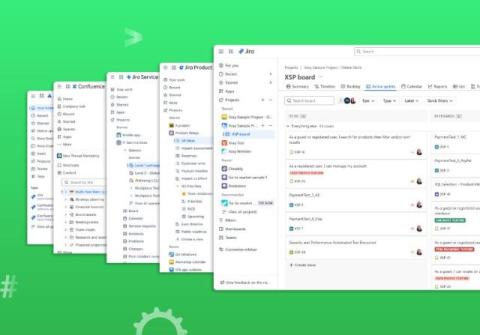
Automation is very important to achieving efficiency and accuracy in software testing. Tools like Selenium and Cucumber are well-known for automating functional and behavior-driven testing. Yet, as projects scale, managing these tests can become increasingly complex. That’s where Xray steps in. Designed to integrate seamlessly with frameworks like Selenium and Cucumber, Xray offers a centralized solution for managing automated tests at scale.

How Xray's reporting features improve collaboration

Collaboration is essential for delivering high-quality software. Developers, QA, and stakeholders need clear communication and shared insights to align on goals and address challenges. Xray’s reporting features make this collaboration seamless by providing actionable data that keeps everyone on the same page. From real-time dashboards to customizable reports, Xray helps teams monitor progress, share updates, and make informed decisions.

The top 5 software testing trends for 2025

As we move into 2025, software testing is not just about identifying defects. Organizations strive for scalability, efficiency, UX, and security to meet modern software engineering practices. The software testing world is transforming at its peak, initiated by innovations, advanced technologies like Artificial intelligence, and higher business expectations.

Accelerate Test Design for smart and agile testing with Xray and YEST

Test design is at the heart of effective testing, a crucial process that can make or break your software quality. Why invest time and resources in managing, executing, maintaining, and automating test cases if they don't directly address business needs or mitigate production risks?

What's Software quality?

Software quality has evolved over time. Initially, the focus was on finding and resolving defects prior to a product launch. As technology advanced, the emphasis shifted towards maintaining quality across the whole development process, particularly with the rise of Agile and DevOps methodologies. Quality is now approached proactively, encompassing all phases of the product lifecycle - from planning to deployment.