Server-Side Source Maps in Node.js
Node.js projects in Honeybadger can now officially take advantage of source maps, just like Client-Side JavaScript projects can.
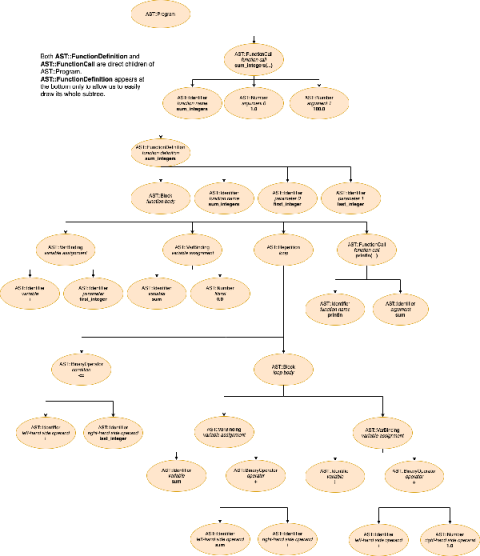
This article is the next in our series about building a toy programming language in Ruby. Alex Braha Stoll shows us how to implement the interpreter for function definitions, variable declarations, and more.
Race conditions are arguably the most insidious kind of bug; they're intermittent, subtle, and most likely to occur in production. ActiveRecord's `update_counter` provides us with a convenient way to avoid race conditions when incrementing or decrementing values in the database. In this article, Jonathan Miles shows us how to use it, how it's implemented, and other approaches to avoiding race conditions.
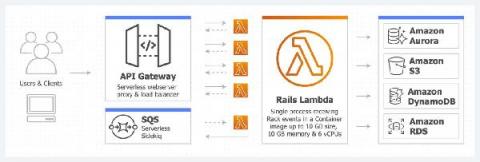
Lambda is an excellent option for deploying lower-traffic web services when you don't want to maintain another server and you want easy access to all of AWS's other services. In this article, Godwin Ekuma shows us step-by-step how to deploy our Rails apps to AWS Lambda.
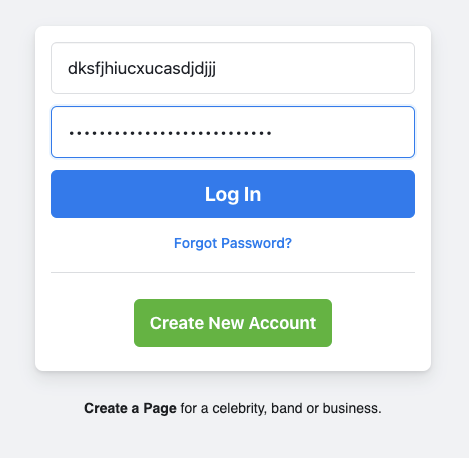
Authentication is at the heart of most web development, yet it is difficult to get right. In this article, Diogo Souza discusses common security problems with authentication systems and how you can resolve them. Even if you never build an authentication system from scratch (you shouldn't), understanding these security concerns will help you make sure whatever authentication system you use is doing its job.
Logging is tricky. You want logs to include enough detail to be useful, but not so much that you're drowning in noise - or violating regulations like GDPR. In this article, Diogo Souza introduces us to Ruby's logging system and the LogRage gem. He shows us how to create custom logs, output the logs in formats like JSON, and reduce the verbosity of default Rails logs.
Some devs use JavaScript in the browser; some use JavaScript on the server. What if you do both?
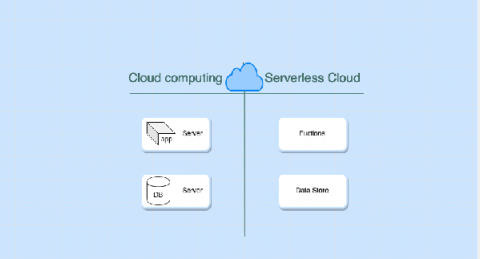
For quick, scalable, highly-available web services, few options compare to AWS Lambda. Just provide your code, add a little configuration, and you're done! In this article, Milap Neupane will introduce us to Lambda, show us how to get it working with Ruby and the Serverless Framework, and discuss reasons to use — or to not use! — Lambda in production.
When you're deciding on a technology to use for your project, it helps to have a broad understanding of your options. You may be tempted to build a web service in Go for performance reasons - but what would that code actually look like? How would it compare to languages like Ruby or JS? In this article, Ayooluwa Isaiah gives us a guided tour through the building blocks of go web services so you'll be well-informed.
Few things are scarier than a database slowly losing integrity over weeks or years. For a while, nobody notices anything. Then users start reporting bugs, yet you can't find any code that's broken. By the time you realize the problem, it may be happening for so long that your backups are unusable. We can avoid problems like these with skillful use of transactions.