Systems | Development | Analytics | API | Testing

Java.lang.AssertionError Best Practices

Assertion errors in Java are like your code's internal alarm system. When an AssertionError goes off, it signals that a fundamental assumption you made about your program's state is no longer true. It's your code telling you, “Hey, this isn't supposed to happen!" Unlike exceptions that might handle predictable runtime issues (like a file not found), an AssertionError specifically flags a breakdown in your code's internal logic or design assumptions.

How to Fix the Unsupported Operation Exception in Java

Java throws an UnsupportedOperationException when you attempt to modify an object that was designed to be viewed but not changed. Think of UnsupportedOperationException as trying to open a door with the wrong key. The door exists and looks like any other door, but your particular key (or operation) simply isn't compatible with its lock.

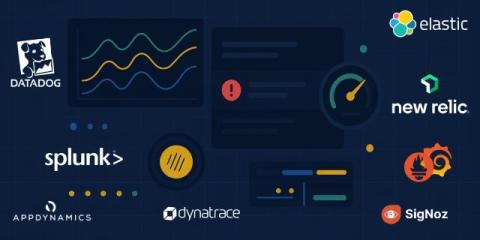
The 8 Best Application Performance Monitoring (APM) Tools in 2025

Application Performance Monitoring (APM) tools are software platforms that help developers, DevOps engineers, and technical managers track the performance and health of their apps and infrastructure in real time. They collect telemetry data like response times, error rates, resource usage, and user behavior, visualize this data, and make it easier to detect performance issues, pinpoint root causes, and ensure a smooth user experience. In short, they help teams be proactive rather than reactive.

How to Fix Python TypeError: 'int' object is not subscriptable

If you're working with Python, you've likely encountered the TypeError: 'int' object is not subscriptable. This is a common error, especially for beginners or when dealing with dynamic data. It fundamentally signals a misunderstanding between what your code expects a variable to be and what it actually is.

The Art of Throwing Exceptions in C# (or How to Fail Gracefully)

Exceptions in C# are like fire alarms – they're loud, disruptive, and absolutely essential. And much like fire alarms, most beginners either ignore them or disconnect the batteries. Let me explain what we're dealing with here. In the C# world, exceptions are specialized objects that capture all the details when something goes wrong in your code. They're not just error messages – they're fully-fledged objects that inherit from the System.Exception class.

How to Fix Python's "List Index Out of Range" Error in For Loops

The List Index Out of Range error often occurs when working with lists and for loops. You see, in Python, when you attempt to access an element using an index that lies outside the valid index range of the list, you're essentially telling the program to fetch something that isn't there, resulting in this common error. For example, if you have a list with 3 elements: The valid indices for this list are 0, 1, and 2 (since Python uses zero-based indexing).

How to Throw Exceptions in C++ Constructors Correctly

In C++, when you create a new object (like a database connection or a game character), a special function called a constructor runs automatically to set up that object. Think of constructors as the "birth" process for objects—they allocate resources, set initial values, and make sure the object starts life in a valid state. But what happens when something goes wrong during this setup? Maybe a file can't be opened, a network connection fails, or invalid data is provided.

Throwing Exceptions in C++

Imagine spending months developing a C++ application, only to have users report that it crashes whenever they enter unexpected input or when network connections fail. This common scenario happens when programs lack proper error handling. The good news is that C++ provides a built-in mechanism called exceptions that helps your code anticipate and respond to problems rather than simply crashing.

Java Exceptions Hierarchy Explained

In Java “an event that occurs during the execution of a program that disrupts the normal flow of instructions” is called an exception. This is generally an unexpected or unwanted event which can occur either at compile-time or run-time in application code. Java exceptions can be of several types and all exception types are organized in a fundamental hierarchy. Understanding this hierarchy is crucial for implementing robust error handling strategies in production.

How to Fix the "Unexpected End of zlib Input Stream" Error

The error message "unexpected end of zlib input stream" means that the zlib library, while trying to decompress data, reached the end of the input stream sooner than expected. Basically, zlib anticipated more data (or proper termination) to decompress the stream, but it didn't find it. This could be due to a few reasons, such as the data being incomplete, corrupted, or even because of mistakes in how the data stream was handled in the code.