Systems | Development | Analytics | API | Testing

Protecting Sensitive Data in Non-Production Environments: No Trade-Offs Necessary!

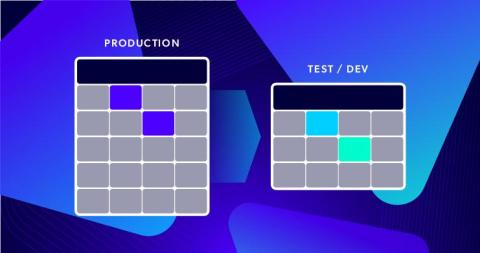
Yes, you’ve heard it all before: the frequency of cyberattacks and their devastating aftermath, organizations’ gaps in protecting sensitive data, and the financial consequences of not complying with GDPR and the likes. I am not here to share any old news. But there is a risk that is not discussed frequently enough in the news. And it should be. How often do you suppose data in non-production environments is compromised or fails compliance audits?
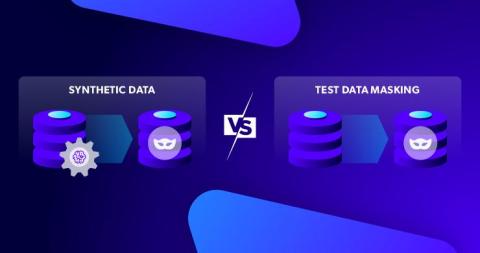

Synthetic Test Data vs. Test Data Masking: How to Use Both

To use synthetic test data or to use test data masking — that is the question. But the answer may not be what you expect. Before we dive into that, what’s happening in today’s business landscape that’s prompting the question around synthetic vs. masking? Delivering high-quality applications at lightning speed is expected in today’s CI/CD world. Fast time-to-market is at odds with security and compliance requirements.

How Ephemeral Test Environments Solve DevOps' Biggest Challenge

Ephemeral test environments have surfaced as a solution to DevOps teams’ growing challenges. Dealing with spiraling cloud costs and infrastructure maintenance is only getting more complex. Development teams find themselves competing for limited or stale environments while datasets grow larger. As a result, development velocity suffers. Application teams need realistic data for effective testing.

Understanding the SWAP Report: A Guide for Defense Software

Since the release of the Defense Innovation Board (DIB)'s Software Acquisition and Practices (SWAP) report in 2019, the Department of Defense (DoD) has focused on adopting and recommending DevSecOps best practices for aerospace and defense development and software acquisition, as detailed in the DoD's 2024 State of DevSecOps report.

Is Database Subsetting Enough? How to Avoid Test Data Risks and Slowdowns

Many organizations turn to database subsetting for various reasons. For one, cloning entire terabyte datasets could bankrupt your cloud budget. And masked data could leave your teams fumbling with unrealistic test scenarios. Why wouldn't you just grab the data you need? Sometimes, it really is that straightforward. For certain use cases — like lightweight testing scenarios, proof-of-concepts, or applications with simple data structures — subsetting delivers exactly what it promises.

The Developer Experience Crisis: How Test Data Bottlenecks Kill DX Productivity

Developer experience (DX) — the ability for developers to easily do their essential tasks — has become crucial for attracting and retaining talent. Skilled developers are in short supply, but demand for their expertise continues growing. I've seen companies forced to maximize their current workforce while competing globally for talent. I also consistently see companies unknowingly damaging their DX through poor processes in overlooked areas.

What is Version Control and Why Do You Need It?

Version control, also known as “source control”, is a way of tracking, managing, and safeguarding changes to digital assets over time, so teams can collaborate efficiently without losing work or overwriting changes. Version control software automates this process, making it faster, safer, and more collaborative. But its real power goes beyond simple file history. It’s how teams stay in sync, move faster, and avoid losing work, especially when the pressure's on and deadlines are looming.