
Systems | Development | Analytics | API | Testing

The 6 Building Blocks of ETL Architecture

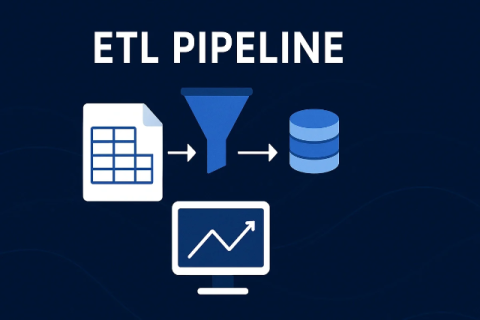
Business intelligence (BI) and analytics projects depend on efficient and effective data integration, which in turn depends on processes such as ETL (extract, transform, load). Rather than performing data analysis from multiple sources in place, ETL collects information within a centralized data warehouse for faster and easier processing and querying.

The 5 Levels of Data User Sophistication We See in the Market

At Integrate.io, we work with hundreds of companies, primarily midmarket and enterprise organizations ranging from agile RevOps teams to global enterprises with complex, multisource data ecosystems. Across these engagements, we’ve noticed something consistent: the way people work with data tends to fall into a handful of distinct, predictable levels. It’s not about company size, tech stack, or vertical.

Data Integration Architecture: Blueprint for Insights

In today’s fragmented and high-velocity data environment, data integration architecture is not just a technical framework—it’s a strategic imperative. As businesses increasingly rely on insights drawn from multiple systems, the need for a robust and scalable architecture that governs how data is collected, processed, and delivered has never been greater.

Pipeline Data for Fueling Analytics, & Business Strategy

In modern data architecture, it’s tempting to focus on flashy dashboards, real-time data AI models, or the scalability of cloud warehouses. But these are only as good as the fuel behind them: pipeline data. This post unpacks what pipeline data really is, why it matters, how it moves through your architecture, and what to do to protect and optimize its value.

A Practical Guide on Low-Code Workflow Automation

In the fast-evolving world of data engineering and operations, agility is no longer optional—it’s a competitive necessity. Organizations are under pressure to deliver real-time insights, automate repetitive tasks, and streamline business processes faster than ever. But traditional, code-heavy development cycles can’t keep up with this pace, especially when every change request adds to your backlog and dev cycles stretch into weeks.

Databricks Composable CDP for Customer Data Strategy

In the era of data-driven decision-making, Customer Data Platforms (CDPs) are pivotal. However, legacy CDPs, which are monolithic, inflexible, and siloed, are falling behind. The rise of Composable CDPs marks a strategic pivot, placing power back in the hands of data teams. At the forefront of this shift is Databricks, whose Lakehouse Platform offers a foundation to unify, govern, and activate customer data with unprecedented agility.

A Deep Dive into the Service Fusion API (Updated 2025)

In today's interconnected SaaS landscape, application programming interfaces (APIs) have emerged not just as technical enablers but as strategic assets. For field service businesses managing complex operations—from dispatch and inventory to customer engagement—the Service Fusion API offers a powerful gateway to automation, integration, and operational intelligence.

A Deep Dive into Database-to-Database Integration

Database-to-database integration plays a vital role in building agile, data-driven organizations. As business operations span across multiple applications, environments, and data silos, the ability to seamlessly integrate databases becomes more than just a technical necessity—it becomes a strategic imperative. This article unpacks what makes database-to-database (DB-to-DB) integration process essential in 2025, how it’s evolving, and what it takes to implement it right.

Data Integration Examples to Learn Unified Intelligence

Data integration is the backbone of modern analytics, decision-making, and automation. In a business landscape where every function—from marketing to operations to finance—relies on data integration tools, the ability to unify data across these systems is essential. This article delves into a practical data integration example, dissects integration types, unpacks common challenges and best practices, and highlights how platforms like Integrate.io provide a secure and scalable solution.