
Systems | Development | Analytics | API | Testing

Agentic Fleet Management Architecture for Real-Time Operations

Agentic fleet management is a real-time, event-driven architecture where distributed AI agents continuously process streaming data to make autonomous operational decisions and execute them through closed-loop feedback systems. At its core, agentic systems enable: Unlike traditional systems that react to events after the fact, agentic architectures operate as adaptive, self-optimizing systems.

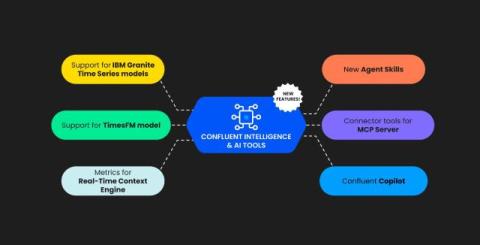
AI Tools for Builders - Confluent's MCP Server & Agent Skills

Your AI coding assistant just learned to speak Confluent. Developers live in their editors. The best platform tools meet them there—and increasingly, that means their AI assistants meet them there too. AI coding tools are already reshaping how developers build, debug, and operate software, but most of them are generalists. They can write an Apache Kafka producer, but they won't know your Schema Registry subjects.

Designing Sovereignty in Real-Time Data Streaming

As regulatory frameworks such as the General Data Protection Regulation (GDPR), Digital Operational Resilience Act (DORA), and Network and Information Security Directive 2 (NIS2) converge with the US Clarifying Lawful Overseas Use of Data Act (CLOUD Act), contractual assurances are no longer a sufficient defense. For senior leadership, digital sovereignty has evolved from a compliance checkbox into a core architectural requirement.

InfiniteWatch + Confluent: Turning Customer Interaction Data into Real-Time Intelligence

Every customer interaction generates signals that matter—a failed checkout, repeated form errors, a frustrated support call, a confusing AI agent exchange, or an unresolved email thread. Individually, these are isolated events. Connected, they reveal customer intent, friction points, operational risk, and opportunities for action.

More Signal, Less Guesswork: New Kafka Observability Updates in Confluent Cloud

We’re introducing enhanced visibility for streaming workload performance on Confluent Cloud, making it easier for developers and operators to understand, troubleshoot, and optimize real-time applications. As Apache Kafka has become the backbone of data streaming, many teams rely on Confluent Cloud for its scale, elasticity, and reduced operational burden.

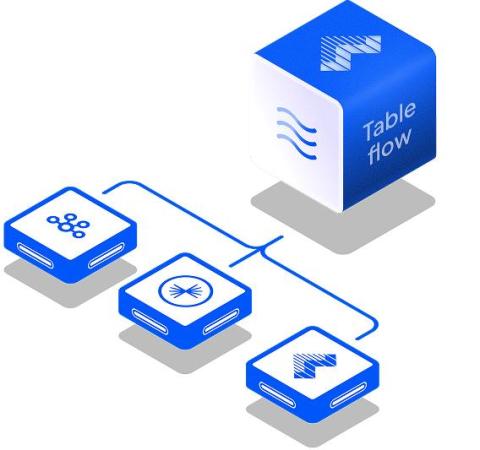
Feed Your Data Lake With Real-Time, Analytics-Ready Tables for 30-50% Lower Cost Using Tableflow

Organizations are under pressure to feed data lakes and lakehouses with fresher data while keeping a tight lid on cloud spend. The problem is that most ingestion stacks weren’t designed for the real-time, high-volume workloads that power modern analytics and artificial intelligence (AI). They rely on layers of connectors, ETL jobs, and maintenance processes that quietly inflate both infrastructure and operational costs. Confluent’s Tableflow was built to change that equation.

Integrating AI Into Apache Kafka Architectures: Patterns and Best Practices

Adding large language models (LLMs) and artificial intelligence (AI) to real-time event streams comes down to one thing: picking the right boundary between data transport and model compute. Where you run inference determines your system's resilience, latency, and cost. This article is for data engineers, streaming architects, and developers who want to add AI capabilities to their Apache Kafka event backbone without destabilizing production consumer groups or blowing through API rate limits.

Why Real-Time Stream Processing Beats Batch ETL for AI Data Freshness in 2026

AI has evolved fast. We've gone from static, predictive models to dynamic, interactive agents. But most organizations still run data pipelines that haven't kept up. Consider what’s happening in modern AI architecture. Teams deploy high-performance engines like large language models (LLMs) and real-time fraud detectors, then feed them data that's hours or days old.

The Last (and Longest) Mile of Apache Kafka Migrations: Client Migrations With KCP and Confluent Cloud Gateway

In a previous blog post in this series, we introduced Kafka Copy Paste (KCP), an open source CLI tool that automates the discovery, provisioning, and data migration steps of moving your Apache Kafka environment to Confluent Cloud. We walked through how KCP and Cluster Linking work together to reduce a process that traditionally took weeks to a matter of hours. At the end of that post, we hinted that automated client migration was coming soon. That day has arrived.