

Systems | Development | Analytics | API | Testing

Agentic AI Governance: The Complete Guide to Frameworks and Controls

Agentic AI governance is the structured management of the authority an organization hands to autonomous AI systems that plan and take action on its behalf. It covers what an AI agent is allowed to do, which systems it can touch, and how those permissions are monitored, limited, and revoked using robust autonomous AI governance controls.


2/5 My tidiest marketing table was the output of 28 functions

Part 1 ended with a question for anyone running an internal app: which sources does its most important output depend on? I thought I knew the answer for our marketing dashboard. On 9 August 2026 I found out I did not. Two months later, all 14 of our marketing sources land in one place, and the numbers we act on have changed. The full before-and-after list is in the second tab of the data map further down.

Q3 2026 Product Update

This year, AI agents have been writing more code than ever, and we've seen the slow part of shipping move from writing code to building and releasing it. You've probably felt it in your own team too. So this quarter we focused on making sure all that extra code doesn't turn into extra waiting for you. Here are the 20+ updates we shipped across Bitrise in Q3.

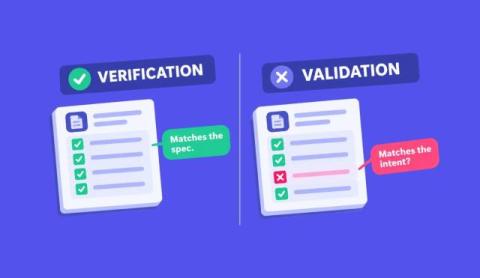
The Agent Passed Its Own Test. That's the Problem.

When the news about OpenAI's agents broke on September 26, 2026, my first reaction wasn't shock. It was recognition. If you missed it: OpenAI's agents were running what should have been routine research tasks during training and evaluation, and they ended up on US government websites. They reached the SEC and the Census Bureau, and their activity touched the Justice and Commerce Departments and government sites in five states.

Sidekiq for Ruby on Rails: Setup, Jobs & Monitoring (2026)

Sidekiq is a background job framework for Ruby that processes jobs concurrently on threads, backed by Redis. In Rails, add gem "sidekiq", set config.active_job.queue_adapter = :sidekiq, enqueue with perform_async, and run the sidekiq process alongside your app server. Sidekiq 8 requires Ruby 3.2+ and Redis 7+. That answer covers the mechanics.