Systems | Development | Analytics | API | Testing

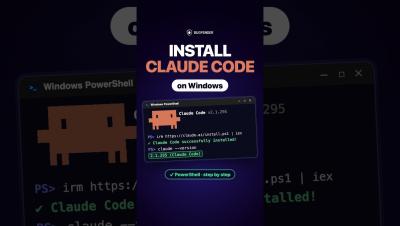
How to Install Claude Code on Windows with PowerShell (Step by Step) #Shorts #aicoding #claudecode

How to install Claude Code on Windows using the official PowerShell installer, step by step. Claude Code is Anthropic’s AI coding assistant for the terminal. This tutorial shows how to find the official instructions, run the PowerShell installer, handle the PATH setup note, launch Claude Code and sign in. WHAT YOU NEED You do not need to run PowerShell as Administrator. INSTALLATION STEPS Search “Claude Code terminal” and open the official result from code.claude.com. Find the Windows PowerShell installation command and copy it.
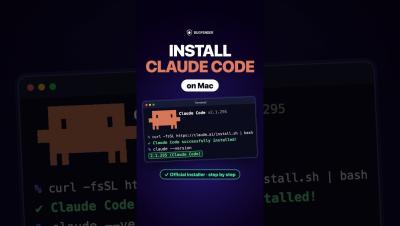
How to Install Claude Code on Mac (Official Installer, Step by Step) #shorts #coding #claudecode

How to install Claude Code on Mac in under one minute using the official native installer. Claude Code is Anthropic’s AI coding assistant for Terminal. This tutorial follows the official setup process step by step: find the installer, open Terminal, complete the installation, verify the version and sign in.

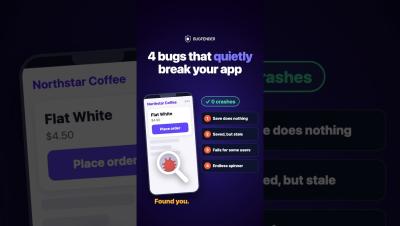
4 Bugs That Quietly Break Your App Without Crashing (How to Find Them) #Shorts #Debugging #Bugfender

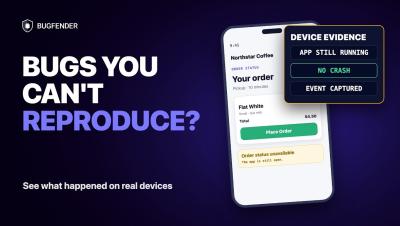
No crash doesn't mean no bug. Bugfender helps you investigate issues on real devices, even when the app doesn't crash. 4 bugs that quietly break your app without crashing it, and how to find each one. No crash report, no error popup, just users who can't do what they came to do. Each example follows the same beginner-friendly method: what the user sees, the evidence to check, and what to try next.

Meet Bugfender: Debug Apps With Real User Context #aicoding #iosdev #aidevelopment #aidebugging

Trusted by more than 35,000 apps, Bugfender helps developers understand bugs on real users’ devices, even without a crash. Collect logs, errors, device details and feedback with the SDK, then connect an AI agent through MCP to investigate the evidence.

What Is Bugfender? Find and Fix Bugs on Real User Devices

Bugs don’t always cause a crash, and they can be difficult to reproduce on your own device. Bugfender helps development teams investigate app issues with remote logs, error monitoring, crash reports, and user feedback in one dashboard. Add the Bugfender SDK to supported mobile and frontend apps to collect logs from real devices, including while a device is offline. Review device context and investigate issues that traditional crash reporting may miss.

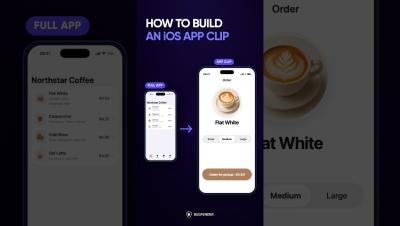
What Are iOS App Clips? How They Work for iPhone Apps #iOSDevelopment #AppClips

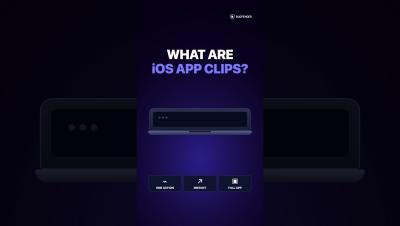
What are iOS App Clips? They are lightweight versions of an iPhone app built for one specific action, such as ordering, paying, or booking. Users can open an App Clip from a link, QR code, NFC tag, Maps, or Messages. They can complete one useful action without searching the App Store, installing the full app, or going through a long signup and onboarding flow. App Clips reduce friction and give people a quick way to try an iOS product before downloading the complete app.

How to Use ChatGPT Codex in Terminal to Build Your First Tool #aicoding #iosdev #aidevelopment

You don’t need a big app idea to try Codex. A messy Downloads folder is enough. In this beginner walkthrough, you’ll ask ChatGPT to write a prompt in plain language, then paste it into Codex in Terminal to build a simple file organizer. You’ll see how to: The file names and folder contents shown are fictional examples. Your first version doesn’t have to be perfect; you can improve it with follow-up prompts.

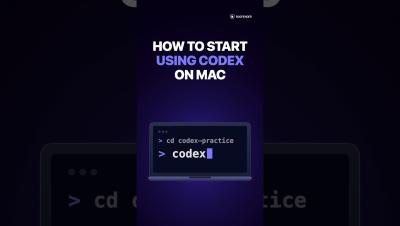
How to Use ChatGPT Codex on Mac for the First Time #shorts #aicoding #aidevelopment #iosdev

Never used Codex before? This beginner tutorial shows how to start using OpenAI Codex on a Mac, step by step, after it is installed. What you'll do: Commands from the video (replace the path with the one you copied; your folder path will be different): cd /Users/yourname/Desktop/codex-practice codex First prompt: Create a text file named hello.txt with the words "My first Codex file." Tell me where you saved it.