Systems | Development | Analytics | API | Testing

Information Governance vs. Data Governance: A Comparative Analysis

Every digital interaction generates data. This data can provide invaluable insights and drive effective decision-making when managed effectively. . However, according to a survey, up to 68% of data within an enterprise remains unused, representing an untapped resource for driving business growth. One way of unlocking this potential lies in two critical concepts: data governance and information governance.
Data Quality Framework: What It Is and How to Implement It

A data quality framework is a set of guidelines that enable you to measure, improve, and maintain the quality of data in your organization. The goal is to ensure that organizational data meets specific standards, i.e., it is accurate, complete, consistent, relevant, and reliable at all times—from acquisition and storage to subsequent analysis and interpretation. eBook: A Guide to Data Quality Management Download eBook.

What Is Data Democratization? Explanation, Benefits, and Best Practices

Data democratization is an enterprise initiative to improve data-driven decision-making throughout an organization. Data democratization breaks down silos and promptly delivers data to the people who need it to make informed decisions. Data democratization has two core tenets: data access and data literacy. Both are simple in theory, difficult in practice. Data literacy is the ability to understand, analyze, interpret, and communicate with data.

All You Need to Know About Data Completeness

Data completeness plays a pivotal role in the accuracy and reliability of insights derived from data, that ultimately guide strategic decision-making. This term encompasses having all the data, ensuring access to the right data in its entirety, to avoid biased or misinformed choices. Even a single missing or inaccurate data point can skew results, leading to misguided conclusions, potentially leading to losses or missed opportunities.

Data Ingestion vs. ETL: Understanding the Difference

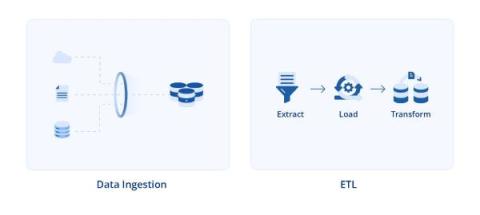
Working with large volumes of data requires effective data management practices and tools, and two of the frequently used processes are data ingestion and ETL. Given the similarities between these two processes, non-technical people seek to understand what makes them different, often using search queries like “data ingestion vs ETL”.

Getting Started with Insurance Modernization

If you have a legacy system with customized capabilities and valuable features but nearing end of life, refactoring the system is a potential choice for modernization. Insurance platform modernization usually involves one-to-one code migration, which can often be more costly and time consuming than expected and typically tends to miss some of the integration and data architecture modernization that is foundational for getting the full value of digitization.

Hyperautomation for Insurance: Your Roadmap to Modernization

What is hyperautomation for insurance? It might sound like just another buzzword, but let’s peel back the layers to see how hyperautomation works. Imagine this: you go on a deep dive to evaluate your insurance company’s processes and operational models. You discover inefficiencies, lag times, and that your team manages transactions with disparate, often manual processes. It’s clear you need a new solution. And the solution you need doesn’t currently exist.

What is a Data Catalog? Features, Best Practices, and Benefits

A data catalog is a central inventory of organizational data. It provides a comprehensive view of all data assets in an organization, including databases, tables, files, and data sources. Efficiently managing large amounts of information is crucial for companies to stay competitive. This practice is especially applicable to large organizations with scattered data.