The core theme at Sibos 2021 was digital transformation, its impact on the finance industry, and how financial institutions can drive this transformation. Digital transformation is wide-reaching and can mean different things for different industries. For financial services organizations, it’s about bringing technology up to par to meet client needs, adhere to regulatory requirements, and mitigate risk.
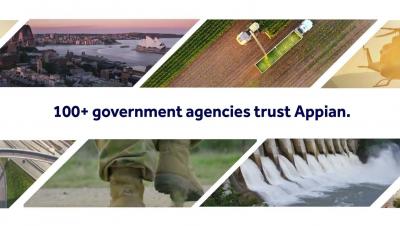
As a new calendar year approaches, public sector CIOs and IT leaders are preparing for another year of change in their technology stack and its role in accomplishing their mission. The last two years have brought immense change and shifting imperatives to the public sector. Perhaps one of the most impactful is the drastic acceleration of digitization initiatives.
Here at Appian, we have experienced tremendous growth in the past few years by helping our customers solve their most important business problems faster. We do this by providing a low-code platform that brings together humans, systems, and most recently, robots in support of any mission.
This year’s Sibos conference examined the theme of “recharging global finance.” Key focus areas included digital acceleration, transformative technology, managing risk, and diversity and sustainability. Financial services organizations of all sizes face the challenge of increasing volume, complexity, and velocity of change within their business.
RealWorld is a popular open-source project known as the mother of all demo apps. It is an exact clone of Medium.com (called Conduit) and can be built using any front-end and back-end. This article will share the journey to replicating the RealWorld REST API (Conduit) from scratch using Linx, a low-code developer tool. All stacks that integrate with Conduit will integrate with the newly created API. Technologies and tools used to develop RealWorld API: Notes
REST and (the newer) GraphQL APIs are the core technologies behind the vast most of today’s integrations. These APIs allow external developers to tap into the functionality of the major platforms and build in their custom functionality to suit their needs. The fundamental difference is that REST is an architectural design framework based on HTTP, while GraphQL is a query syntax that is not transport-dependent.
So, you’ve done your research on low-code platforms and learned about the speed, agility, and security they bring to application development. This sounds like a good direction for your organization, which means it’s time to learn more about the various low-code vendors and what they have to offer. But where to start?