Speed matters in business. The ability to move quickly on contracts, partnerships, hiring decisions, and commercial opportunities can be the difference between capturing a market opportunity and watching a competitor take it. But speed without legal oversight creates a different kind of problem - the kind that shows up months later in the form of a dispute, a compliance breach, or a contract that does not say what everyone thought it said.
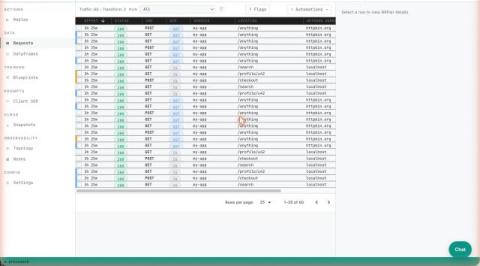
The Observability Gap shows up the moment you try to reproduce a production bug locally. Your traces tell you a request was slow. Your logs tell you which line printed. Neither tells you what was actually on the wire: the headers, the JSON body, the surprise field your client started sending last Tuesday. Until now, closing that gap meant SSHing to a node, attaching a debugger, or shipping a sidecar through change review.
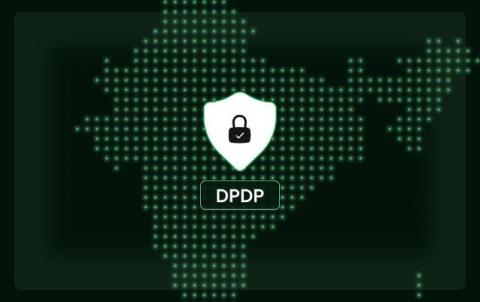
On 13 November 2025, India's Ministry of Electronics and Information Technology (MeitY) published a set of Gazette notifications that most product teams scrolled past — and most legal teams did not. The Digital Personal Data Protection Rules, 2025 turned the DPDP Act, 2023 from a framework on paper into an enforceable compliance regime with hard deadlines, a functioning regulator, and penalties of up to ₹250 crore (roughly $30 million) per violation.
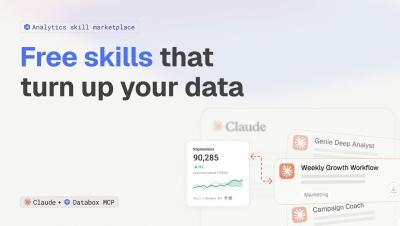
The Databox Skills Marketplace is a free library of AI analytics skills and workflows - download them, connect your Databox data, and get structured reports inside Claude in seconds. How it works: connect Databox MCP to Claude, run a skill with a single prompt, and Claude writes the analysis from your live data. No exports. No copy-paste. No manual setup. What's in the marketplace: All free. All built on Databox MCP.
In this guest post, Intellyx Principal Analyst Jason English explores what it takes to level up quality engineering in the age of agentic AI, and why visibility, context, and governance are the keys to getting there. One day in an agentic developer’s life: Developer “CodeBud agent, create me a suite of test cases to validate the feature you just built.” CodeBud Done. Test suite created.
In February, two CNBC journalists built a replica of Monday.com’s interface using Claude Code with no prior developer experience and less than $20 in credits. Software stocks at the time were already wobbly, with investors fearing that AI could erode seat-based pricing and undercut proprietary UI. To some, the CNBC news confirmed the speculation.
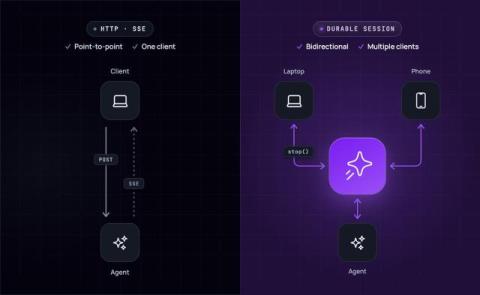
You've built an AI chat app on the Vercel AI SDK. It works in development. The model responds, the stream comes through, and the UI updates cleanly. Then you ship to production, and the transport layer starts showing its edges. Most of these failures are quiet: things that work in demos and break in ways that are hard to pin down until you know where to look. They share a common cause: DefaultChatTransport is built for HTTP, and HTTP has structural properties that some production requirements exceed.
When business questions move faster than answers, teams need more than dashboards. They need AI agents that can break silos, add context, and turn trusted enterprise data into action. Meet Snowflake CoCo — built to help data teams and business users move from reactive reporting to strategic action. In the Agentic Enterprise, everyone can become a strategic force, shaping what the business does next.