ThoughtSpot for Databricks
See how ThoughtSpot empowers everyone in your organization to take advantage of Databricks SQL through the ease of search-driven analytics.


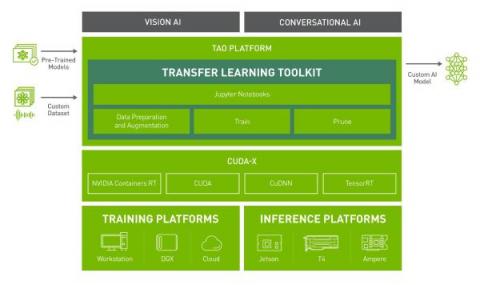
ClearML is now officially integrated into the NVIDIA TAO Toolkit 🎉. For those of you that don’t know yet, the NVIDIA TAO Toolkit, built on TensorFlow and PyTorch, is a low-code version of the NVIDIA TAO framework that accelerates the model training process by abstracting away the AI/deep learning framework complexity.
Data is everywhere–driving the evolution of technology, changing the way we do business, transforming what it means to be a customer. Yet, too many businesses are still operating in a data-aware state and not truly adapting to a data-driven mentality. According to Deloitte Insights, just 1 in 10 executives believe that their employees can actually use data to make decisions.
We’re in the defining decade of data. Data underpins the technologies transforming how we work, communicate, socialize and buy. If you want to take part in the revolution, you need to become—or hire—a data leader. But what does that even mean? What sets data leaders apart from the average data-aware professional? And how can we become data leaders?
Clouderans made a global impact by running a number of donation activities and local giving events to celebrate the season of giving.
The ability to access, analyze and use information from multiple sources has been a key factor in modernizing manufacturing, resulting in more efficient processes, and improved economic success.