
In today’s fast-paced software development landscape, the demand for high-quality applications is at an all-time high. As organizations increasingly rely on Oracle technologies for their critical business operations, ensuring the reliability and performance of these systems is paramount. One of the most effective ways to achieve this is through automated testing.
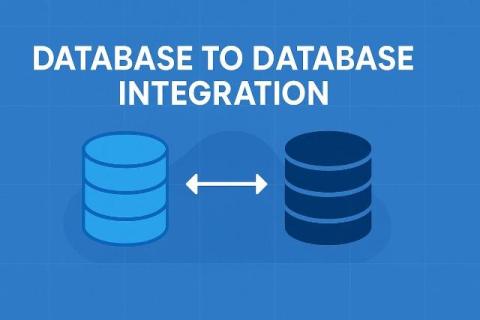
Database replication involves making sure important data is replicated across multiple locations within a company. In the advanced digital age, businesses must take all measures to safeguard their data and ensure its availability at all times. Data availability is important for proactive decision-making and empowering other tech, such as AI. This is where database replication becomes a high priority. But what is database replication exactly?
Structured Query Language (SQL) remains the foundation of data engineering, enabling data analysts and professionals to design, build, and maintain scalable data pipelines. Despite the rise of modern technologies like Apache Spark and NoSQL databases, SQL’s declarative syntax and universal adoption make it indispensable in data engineering workflows.
One of the main challenges while building a software application is data storage. An easier way would be to store data in Excel and its likes, but they don’t really help with large amounts of data. When dealing with high volumes of data, a database is a better choice. You can either opt for a relational database such as Microsoft’s SQL Server, or a non-relational database such as MongoDB.
Data integration of your on-premise database with Salesforce can streamline data management and boost CRM performance. Here's a quick overview of the key steps and considerations.
Integrating an on-premise MySQL database with Salesforce enables seamless data exchange, ensuring up-to-date customer information for better decision-making. Here's a quick summary of what you need to know.
ETL is evolving with trends like AI-driven automation, real-time processing, and cloud-native tools. Businesses leveraging modern ETL solutions, such as Snowflake or Apache Kafka, can process data faster from different sources and reduce errors significantly.
Replication in SQL Server is a sophisticated feature that enables the duplication and synchronization of data across multiple databases, providing enhanced data availability and reliability. Whether for disaster recovery, load balancing, or real-time reporting, SQL Server replication is a cornerstone technology for maintaining data consistency.