Systems | Development | Analytics | API | Testing

Why PHP LTS is a Lifeline for Companies Stuck on Unsupported Versions

Still running an older PHP version and not sure how to upgrade safely? In this clip from “The 2026 State of PHP” webinar, Zend PHP experts break down how to update PHP versions and discuss why it’s a critical part of legacy software modernization. For years, PHP was easy: install it, run it, and forget it. But today, organizations are being forced to rethink that approach as older versions reach end-of-life — leaving applications without security updates or support. And PHP LTS? It’s often the best answer.

PHP Debugging: How to Find and Fix PHP Errors

PHP applications are often tricky to debug. A combination of loose typing, complex logic and a lack of runtime visibility can make it hard to catch errors before they reach our users. But if you’re using PHP, there’s no need to stress. This guide will equip you to understand why PHP applications break, return the wrong data or behave differently across environments. We’ll cover logs, runtime checks, Xdebug, IDE tools, request debugging, and production visibility.

Fine-Tune Your OPcache Configuration to Avoid Caching Surprises

Learn more about one of the most important levers for optimal PHP performance. OPcache provides support for byte-code caching of PHP scripts. For a dynamic language such as PHP, a byte-code cache can increase the performance significantly because it guarantees a script is compiled only once. OPcache has been bundled with PHP as a loadable extension since PHP 5.5. Starting with PHP 8.5 OPcache is an integral part of PHP and always installed, but not necessarily always enabled.

The Costs of Lost PHP Documentation

Discover the hidden costs of poor documentation and divergent patterns in PHP development. In this video, we explore the importance of thorough PHP documentation and how following PHP best practices can prevent knowledge gaps, reduce rework, and streamline modernization efforts. Don't let tribal knowledge hold your projects back.

PHP Tips for Continuing Business During Modernization

Modernizing enterprise PHP applications can be tricky without the right approach. In this video, we share essential PHP tips and PHP best practices to ensure smooth business continuation during modernization. Learn how to balance legacy support, avoid understaffed teams, and hit your milestones without stumbling into unexpected expenses.

How Managing Time as a Web Developer Can Save PHP Upgrade

Balancing modernization and legacy code can be a challenge for web developers. In this video, we dive into managing time as a web developer during an enterprise PHP upgrade, exploring the hidden time costs of refactoring, training, and debugging. Learn how to navigate these challenges while maintaining team velocity and tackling cognitive load.

Zend Server vs The Enterprise Web Platform

Zend Server is approaching end of life — so what’s the best path forward for PHP teams? In this video, get clear Zend Server info as we compare Zend Server PHP features with the new Enterprise Web Platform and explain why it’s the safest migration option for modern, enterprise PHP applications.

Tideways 2026.1 Release

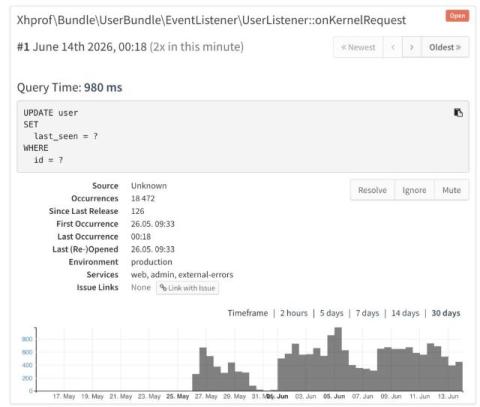
We’re rolling out a new wave of improvements across Tideways in our first Release of 2026, focusing on deeper visibility, smarter automation, and broader ecosystem support. From automatic tracepoints for selected transactions and improved exception workflows to enhanced FrankenPHP worker-mode instrumentation, these features continue to reduce manual effort while increasing observability.

Dodge the thundering herd with file-based OPcache

In the blog post about Fine-Tuning OPcache Configuration I mentioned the thundering herd problem that affects OPcache during cache restarts. When OPcache is restarted, either automatically or manually, all current users will attempt to regenerate the cache entries. Under load this can lead to a burst in CPU usage and significantly slower requests.