Here at Appian, we have experienced tremendous growth in the past few years by helping our customers solve their most important business problems faster. We do this by providing a low-code platform that brings together humans, systems, and most recently, robots in support of any mission.
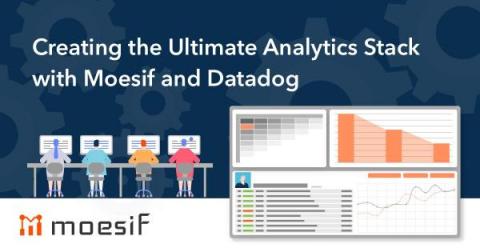
When looking at API analytics and monitoring platforms, many seem to be so similar that it’s hard to figure out the differences between them. We often hear this confusion from users and prospects. In a world with so many tools available, how do we figure out which ones are necessary and which are redundant? One of the most common questions we are asked revolves around how Moesif compares to Datadog and how they could work together.
In this episode of Kongcast, I spoke with Chinmay Gaikwad, the tech evangelist at Epsagon, about distributed tracing and observability for microservices architectures. Check out the transcript and video from our conversation below, and be sure to subscribe to get email alerts for the latest new episodes.
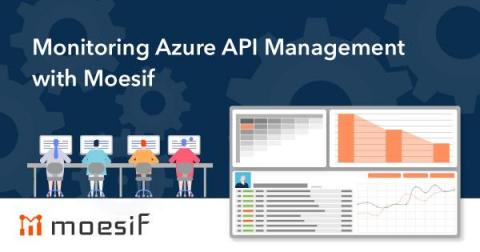
API gateways and management platforms like Azure API Management (APIM) are an excellent way to keep your APIs in order. They provide features that every API needs, like API keys, quotas, and caching in a standardized fashion. Your APIs will then behave more homogeneously and can be managed in a central place. They’re also the entry point to your cloud infrastructure and can help you abstract implementation from the interface.
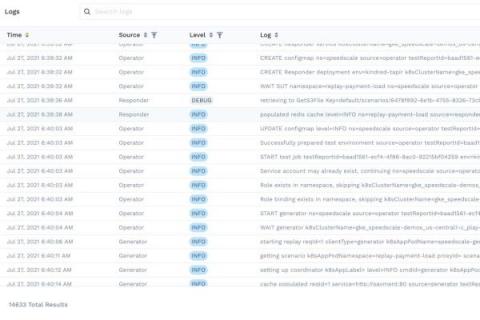
Have you ever written a Hello, World! application? In most of these tutorials the first step is to log words to the console. It's an easy way to understand what is going on with your application and readily available in every programming language. The console output is incredibly powerful, and it has become easier than ever to capture that output as logs. As your application grows and evolves you need to implement a structured application log approach.
The experience your customers get once they enter your website can be a game changer for your online business in terms of sales, revenue, customers interaction and overall experience. Once you release new features for your website or blog, or once you add new plugins or widgets, add new styles, animations or functionality, all these can affect the Performance, SEO or Accessibility of your website.