

Systems | Development | Analytics | API | Testing

Zero-Trust for LLMs: Applying Security Principles to AI Systems

Zero-trust security ensures you verify every interaction, whether it’s a user, system, or API, before granting access. For large language models (LLMs), this approach is vital to prevent data breaches and maintain control over sensitive information. Here’s how zero-trust principles apply to LLMs: Identity Verification: Use multi-factor authentication (MFA) for users and secure API keys for systems. Regularly review and update permissions.

Real-Time AI at Scale: The New Demands on Enterprise Data Infrastructure

Real-time AI is transforming how businesses process and use data, demanding faster, more reliable, and scalable infrastructure. Unlike older batch processing systems, real-time AI provides instant insights for applications like fraud detection, personalized recommendations, supply chain adjustments, and predictive maintenance. However, scaling these systems introduces challenges like managing massive data streams, ensuring low latency, and maintaining security.

AI-Powered REST API Security and Management with DreamFactory

Modern innovation demands fast, secure, and flexible access to data. But when organizations deal with scattered databases and strict security policies, manual API development slows everything down. The solution? Automate how APIs are built, secured, and managed—using AI and open-source tools like DreamFactory.

Beyond RAG: Secure, Agent-Based Access to Enterprise Data

Struggling with secure, real-time enterprise data access? RAG (Retrieval-Augmented Generation) systems are popular but often fall short in handling dynamic data, security, and compliance. Enter agent-based systems - designed to securely connect AI to live databases, APIs, and ERP systems while enforcing strict permissions and audit trails. Key Takeaways: RAG systems lack granular security, real-time updates, and detailed compliance tracking.

No Code API Tutorial | Build a Secure REST API in 5 Minutes with DreamFactory

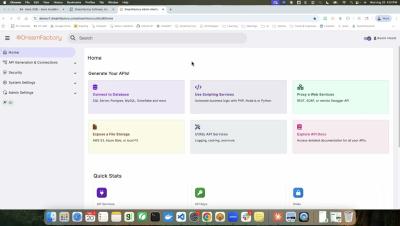
In this No Code API Tutorial, you’ll learn how to build a secure REST API in less than 5 minutes using DreamFactory — no coding required. This tutorial shows how to instantly generate a database API for your data products or front-end applications, saving you days or even weeks of development time. Here’s what you’ll discover in this step-by-step guide: How to connect to any SQL or NoSQL database instantly.

No Code API Tutorial: Merge Tables and Create Virtual Joins Across different Databases

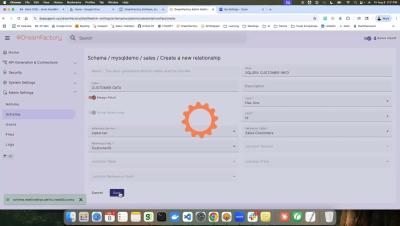
This brief demo outlines how DreamFactory automatically inspects the schema of any database API created, enabling a wide range of data mesh activities, such as merging tables and joining data across disparate databases using virtual joins. This significantly reduces development time and ensures data consistency across your entire data landscape.

AI-Generated SQL: Enterprise Dream or Security Nightmare?

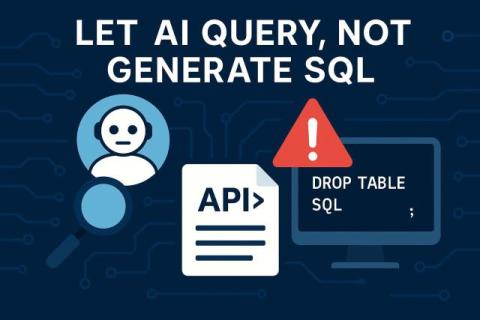
The idea of using an AI like GPT-5 or any LLM based tool to generate SQL from natural language sounds like a productivity goldmine. Ask the AI a question, and it automatically writes and executes the perfect query. Insight on demand. No SQL expertise needed. But beneath this automation lies a serious threat. Giving AI systems free rein to generate and run SQL against your production database is not just risky—it could be catastrophic.

Webhook Triggers for Event-Driven APIs

Webhooks are a smarter way for APIs to communicate in real-time. Unlike polling, which constantly checks for updates, webhooks automatically send notifications when specific events occur. This makes them faster, more efficient, and resource-friendly. Here’s how they work and why they matter: What are Webhooks?: They are HTTP callbacks triggered by events, delivering data instantly to other systems.

Governing Agentic AI: Secure, Scalable Data Access with DreamFactory

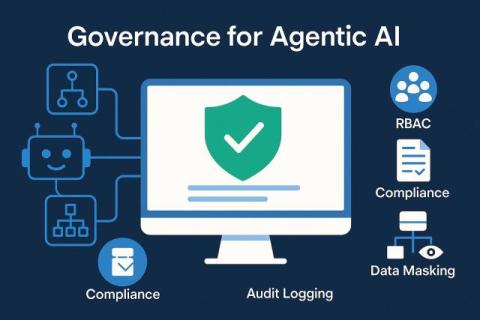
Few trends are capturing as much attention as agentic AI—autonomous systems that collaborate with humans, large language models (LLMs), and enterprise data to complete complex tasks. These agents are redefining work: handling customer service, streamlining compliance, conducting research, and orchestrating workflows across distributed environments. But as organizations scale their use of autonomous agents, one question looms large: How do we govern this power responsibly?