

Systems | Development | Analytics | API | Testing

Data Consistency in Sharded APIs: Key Integration Patterns

Struggling with data consistency in sharded APIs? Here's what you need to know upfront: Data sharing improves performance by dividing data across multiple databases, but it introduces challenges in maintaining consistency. Consistency models matter: Choose between strong consistency (immediate accuracy, higher latency) and eventual consistency (temporary inaccuracies, higher performance).

How Distributed Rate Limiting Works with Open-Source Tools

Distributed rate limiting is essential for managing traffic across multiple servers, ensuring fairness, preventing abuse, and maintaining system reliability. Unlike local rate limiting, which works on a single server, distributed rate limiting uses a centralized datastore to enforce limits globally, making it ideal for large-scale applications and multi-node setups.

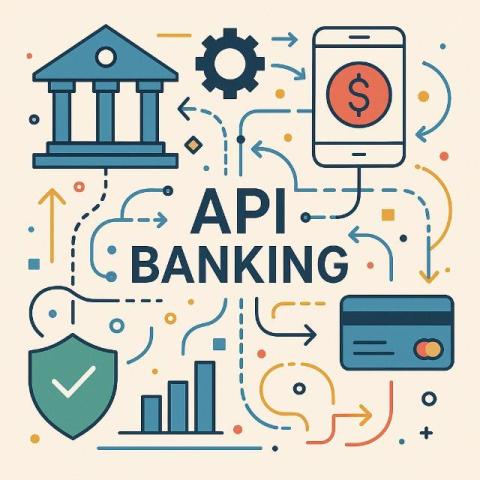
3 Benefits of API Banking | Dreamfactory

Financial institutions around the world are embracing APIs to drive digital transformation, enable seamless communication across systems, and provide clients with secure, real-time access to banking services. Every time a customer taps a mobile banking app or interacts with an online financial platform, APIs (Application Programming Interfaces) make these interactions possible. In today's API-first financial landscape, these interfaces are no longer a luxury—they are a strategic necessity.

How Automation Simplifies On-Prem to Cloud Migration

Automation can make cloud migration faster, cheaper, and safer. It reduces migration time by 50%-80%, lowers costs by up to 30%, and minimizes risks like data loss and downtime. Manual migrations often fail due to human error, complexity, and unforeseen expenses. Here's how automation solves these challenges.