Using Jenkins with a Java Test
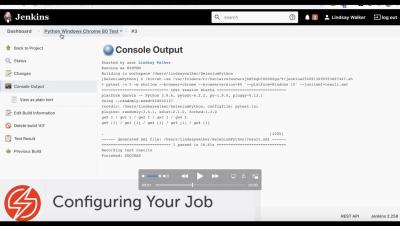
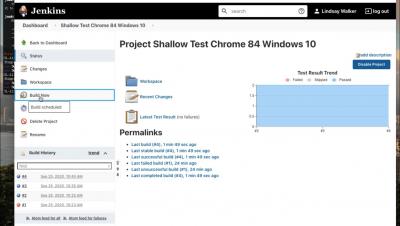
This video will show you how to run Jenkins with Homebrew and Java. Get a walk-through of the Jenkins interface and how to run and check the configuration of your test job with the JUnit reporter for Jenkins.


NodeSource is very excited to announce the addition of Worker Threads support in N|Solid, it’s an amazing new feature for our customers on their journey with Node.js. Worker Threads are a very powerful feature in Node.js that allows developers to build more complex and robust applications.
Not many areas feature as much innovation as the area of app development. Recently we explored various mobile app trends from social media to virtual experiences. App development has become more innovative over time—and we have effective technologies and platforms helping us develop, test, and release successful applications. Most companies think of creating a B2B native app without considering other options available – namely, the web app.
We’re proud to share that Iguazio has received an honorable mention in the Gartner Magic Quadrant for Data Science and Machine Learning Platforms, 2021. This is the second year in a row that Iguazio receives this recognition. The 2021 report assesses 20 vendors of platforms enabling data scientists and engineers to develop, deploy and manage AI/ML in the enterprise, across a wide array of criteria relating to their capabilities, performance and completeness of vision.
Data flows are an integral part of every modern enterprise. No matter whether they move data from one operational system to another to power a business process or fuel central data warehouses with the latest data for near-real-time reporting, life without them would be full of manual, tedious and error-prone data modification and copying tasks.
Let’s get this out of the way: To understand the much discussed ’death of the dashboard' proclamation, the phrase needs to be viewed under a different lens beyond the literal. Firstly, it's not a new concept at all: Yellowfin have been saying it for years. The problem is in the current confusing interpretation around what it means for business intelligence. In short, dashboards aren’t actually dying, nor is their usefulness for certain users spent.
In this episode of CDO Battlescars, Sandeep Uttamchandani, Unravel Data’s CDO, speaks with Meenal Iyer, Sr. Director of Enterprise Analytics and Data at Tailored Brands. They discuss battlescars in two areas, data and metrics: Growing Data Literacy and Developing a Data-Driven Culture and Standardization of Business Metrics.