Why Full SDLC Testing Matters for Your Mobile App Dev
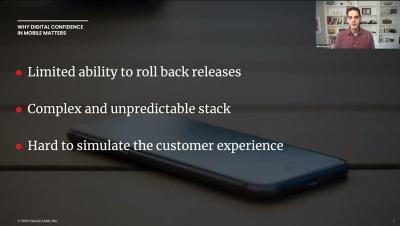
Join Mike Donovan, VP of Product, Test Automation at Sauce Labs, as he discusses how a DevOps Test Toolchain focused on mobile can help address common market challenges.


Finance leaders are facing the most turbulent trading conditions for more than a generation. The odds of recession are rising, US inflation has hit a 40-year peak, the “Great Resignation” has denied organisations the people they urgently need to go to market, stock markets have slumped, exchange rates are beyond volatile and, although abating, there is still the threat of a fresh round of Covid. Forecasting business performance has never been so challenging.
In Loadero we always look for ways to improve our product and make it more robust, secure, and maintainable. As we add more features to our product, the complexity of our code base increases and it makes it more difficult to add or refactor the code without introducing regressions of the functionality. Since our frontend was written in plain Javascript and React, there was no way to ensure type safety of passed data between components and functions.
Every company wants to deliver the best product to its customers, and this theme is woven into the product development process at all successful companies. Product development in the SaaS domain comes with a unique set of software developer problems. Software developer problems can range from poorly defined customer expectations to a greater need for complexity and rapid technological advancement. These problems are all part of software development being a highly dynamic and complex process.
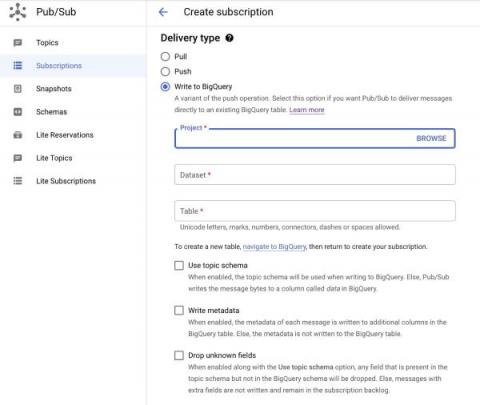
Pub/Sub’s ingestion of data into BigQuery can be critical to making your latest business data immediately available for analysis. Until today, you had to create intermediate Dataflow jobs before your data could be ingested into BigQuery with the proper schema. While Dataflow pipelines (including ones built with Dataflow Templates) get the job done well, sometimes they can be more than what is needed for use cases that simply require raw data with no transformation to be exported to BigQuery.