Patrick Moorhead | Your Cloud Sucks!
The world is going to be hybrid and multi-cloud and we don't necessarily need more than that.

Late last June, I had the opportunity to attend a ThoughtSpot User Group session in London and share how ThoughtSpot has impacted global procurement at Roche—notably how it’s helped my team not become a dashboard factory for the rest of our business.
Since we announced the general availability of Apache Iceberg in Cloudera Data Platform (CDP), Cloudera customers, such as Teranet, have built open lakehouses to future-proof their data platforms for all their analytical workloads. Cloudera partners are also benefiting from Apache Iceberg in CDP. For example, Modak Nabu is helping their enterprise customers accelerate data ingestion, curation, and consumption at petabyte scale.
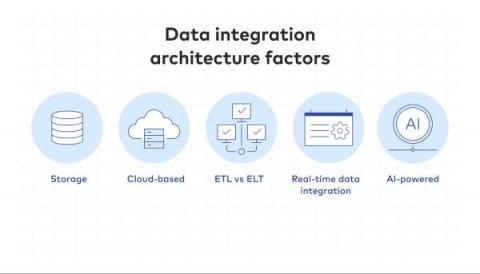
Discover why businesses need data integration architecture, the factors that affect its structure and five best practices to implement while building it.