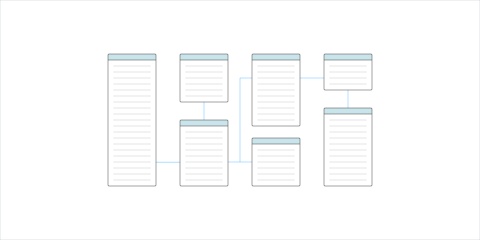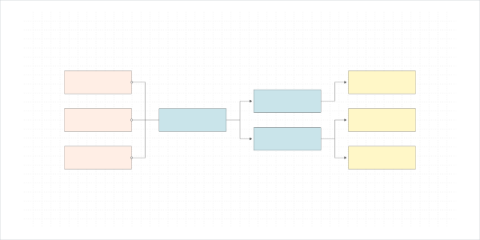
A visual guide to transformations: The Salesforce data model
Analysis-ready data models are built using sequences of transformations. Here's an example using Fivetran’s data model for Salesforce.

Analysis-ready data models are built using sequences of transformations. Here's an example using Fivetran’s data model for Salesforce.
Digital technology promises transformative results. Yet, it’s not uncommon to encounter potholes and speed bumps along the way. One area that frequently trips up businesses is putting data into action. It can be extraordinarily difficult to take advantage of the right data at exactly the right time — in real time — to drive decision-making. For SAP customers wanting to maximize the value of their data, Google Cloud offers a number of capabilities.
While it is a little dated, one amusing example that has been the source of countless internet memes is the famous, “is this a chihuahua or a muffin?” classification problem. Figure 01: Is this a chihuahua or a muffin? In this example, the Machine Learning (ML) model struggles to differentiate between a chihuahua and a muffin.
The time has come for the open-source software revolution to reach SQL.
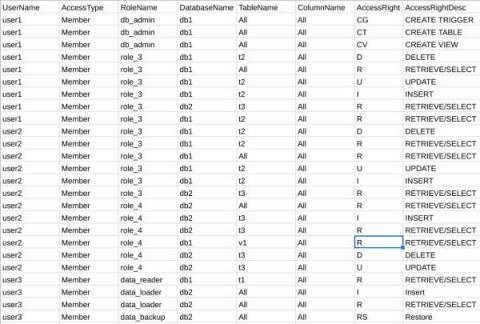
During a Teradata migration to BigQuery, one complex and time consuming process is migrating Teradata users and their permissions to the respective ones in GCP. This mapping process requires admin and security teams to manually analyze, compare, and match hundreds to thousands of Teradata user permissions to BigQuery IAM permissions. We already described this manual process for some common data access patterns in our earlier blog post.
Budgeting is one of those essential processes in which every business must engage. It’s critical to have a meaningful financial plan in place, to have realistic targets to achieve. Unfortunately, traditional models for financial planning and budgeting are increasingly strained as businesses strive to cope with change. Many are seeking leaner, more agile budgeting and planning options.