
Systems | Development | Analytics | API | Testing

What Is Sandbox Testing? Types, Benefits, And Best Practices (2026)

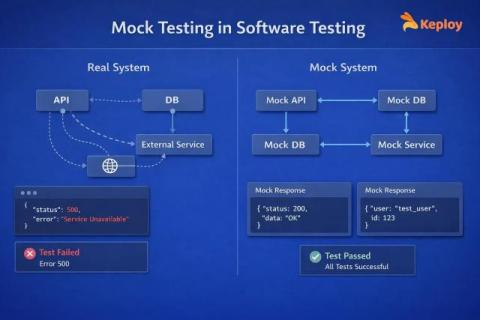
Sandbox testing catches the failures that staging misses, and production makes expensive. Every team reaches a point where testing against real systems stops being practical. The payment gateway costs money per call. The third-party notification service has rate limits. One wrong database query corrupts shared test data and breaks everyone’s runs. A sandbox environment for testing gives you an isolated, controlled space where none of that matters.

Self-Healing Test Automation: How It Works And How To Implement It

Your team ships a UI update on Monday. By Tuesday morning, 47 automated tests are failing and half of them are not real bugs. They broke because a button ID changed from confirmButton to confirm-purchase-btn. Your engineers spend hours figuring out what is an actual regression and what is just a broken locator. Self healing test automation solves this by allowing tests to automatically recover from UI changes, locator failures, timing issues, and API schema updates without constant manual fixes.

Production Testing: Methods, Best Practices & Tools (2026)

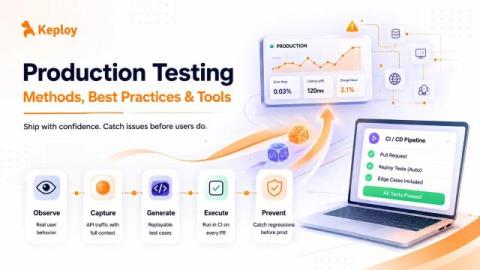
Production testing is what happens when you stop trusting staging. Your CI pipeline was green. Your staging environment passed. And then a user filed a bug that broke checkout for 12% of your traffic – a bug that only appeared under real database load with real session data. That scenario is not rare. Testing in production means validating your software directly in the live environment, using real users, real traffic, and real data – under conditions no staging setup can fully replicate.