Systems | Development | Analytics | API | Testing

What Is Sandbox Testing? Types, Benefits, And Best Practices (2026)

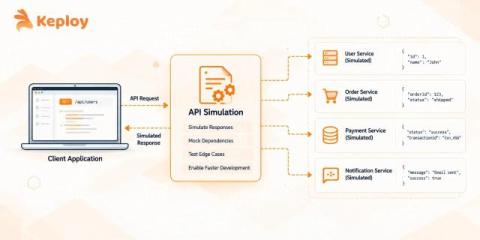
Sandbox testing catches the failures that staging misses, and production makes expensive. Every team reaches a point where testing against real systems stops being practical. The payment gateway costs money per call. The third-party notification service has rate limits. One wrong database query corrupts shared test data and breaks everyone’s runs. A sandbox environment for testing gives you an isolated, controlled space where none of that matters.

Self-Healing Test Automation: How It Works And How To Implement It

Your team ships a UI update on Monday. By Tuesday morning, 47 automated tests are failing and half of them are not real bugs. They broke because a button ID changed from confirmButton to confirm-purchase-btn. Your engineers spend hours figuring out what is an actual regression and what is just a broken locator. Self healing test automation solves this by allowing tests to automatically recover from UI changes, locator failures, timing issues, and API schema updates without constant manual fixes.

Production Testing: Methods, Best Practices & Tools (2026)

Production testing is what happens when you stop trusting staging. Your CI pipeline was green. Your staging environment passed. And then a user filed a bug that broke checkout for 12% of your traffic – a bug that only appeared under real database load with real session data. That scenario is not rare. Testing in production means validating your software directly in the live environment, using real users, real traffic, and real data – under conditions no staging setup can fully replicate.

7 Principles Of Software Testing That Prevent Production Failures

The principles of software testing are the foundation of building reliable software. I’ve seen teams write thousands of test cases and still miss critical bugs in production. The problem is rarely effort – it’s direction. The software testing principles help teams focus on risk, prioritize effectively, and avoid wasted testing effort. Instead of chasing coverage blindly, they shape how testing should be approached at every stage of development.

Software Release Life Cycle: Stages, Process, And Best Practices

The software release life cycle (SRLC) is where most engineering failures begin. Not because of bad code, but because of a broken release process. In modern environments, applications run across APIs, microservices, and cloud infrastructure, where even small changes can ripple far. A well-defined release cycle – with clear stages, automated validation checkpoints, and rollback strategies is what gets code to users without surprises. Traditional testing validates components in isolation.

What Is API Design? Principles, Best Practices & Patterns (2026)

I’ve seen teams burn weeks untangling API messes that could have been avoided with a couple of days of upfront thinking. Endpoints named inconsistently, versioning added as an afterthought, error responses that just say "something failed" all of it traceable back to the same root cause. Nobody sat down and actually designed the API before building it. That distinction between building an API and designing one is what this guide is about.

10 Types Of API Testing Explained With Examples (2026)

APIs (Application Programming Interfaces) are the backbone of modern software; they let applications talk to each other, share data, and trigger actions across systems. Before any API goes live, it needs to be thoroughly tested to ensure it works correctly, handles edge cases, performs well under load, and stays secure. This guide covers all major types of API testing with real-world examples and tool recommendations.

API Testing Strategies: A Complete Guide (2026)

API testing strategies directly impact your release cycle. With 83% of web traffic flowing through APIs, even a single failure can break payments, dashboards, and user experience. Teams that invest in automated API testing do not slow down, they ship faster with confidence. A strong strategy goes beyond checklists. It defines what success looks like, where tests run, how data stays consistent, and how testing fits into CI/CD.