

Systems | Development | Analytics | API | Testing

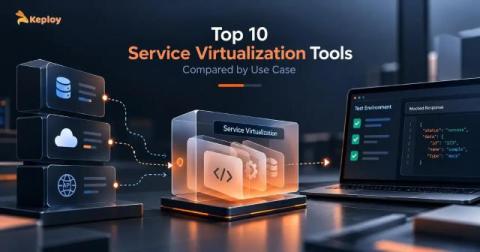
10 Best Service Virtualization Tools (2026): By Use Case

Service virtualization tools don’t all solve the same problem. One team needs to simulate a single flaky HTTP dependency in CI. Another is dealing with mainframe middleware and legacy messaging protocols that most tools don’t touch. A third is running microservices on Kubernetes and wants traffic captured automatically without writing a single stub file. The category has expanded fast.
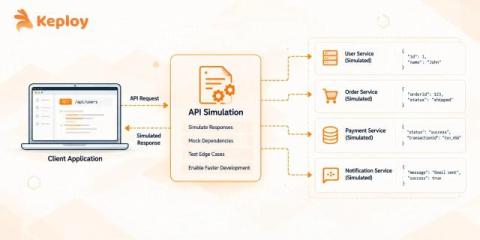
What is API Simulation? Tools, Types & Use Cases

API simulation replaces real dependencies with stand-ins that respond like the actual service, keeping tests deterministic and free from rate limits, per-call fees, or unfinished upstream APIs. Simulators are built from hand-written stubs, OpenAPI specs, or recorded traffic; Keploy follows the recorded-traffic approach, capturing real HTTP, gRPC, database, and queue calls and replaying them automatically.

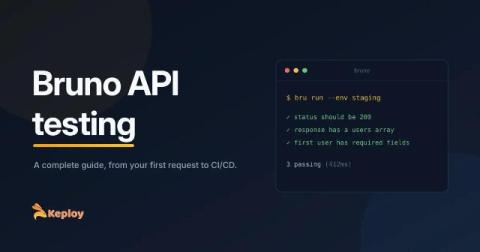
Bruno API Testing: A Complete Guide (2026)

Bruno is an open source, offline-first API client that stores your API collections as plain text files inside your Git repo. It gives you a fast GUI for building and sending REST, GraphQL, gRPC, and WebSocket requests, plus a scripting layer for writing tests against the responses. This guide covers Bruno API testing from install to CI, so by the end you can build a request, assert on its response, and run the whole suite from the command line.

What Is Service Virtualization: Definition, Types & Tools (2026)

Service virtualization replaces real external dependencies (APIs, databases, queues, or third-party services) with controlled simulations that respond like the real thing. Tests run against these virtual services whether the real dependency is unavailable, expensive to call, or still being built. Keploy implements this by capturing real dependency interactions from live traffic and replaying them automatically in CI.