Analyzing Authentication Data Using Profiles
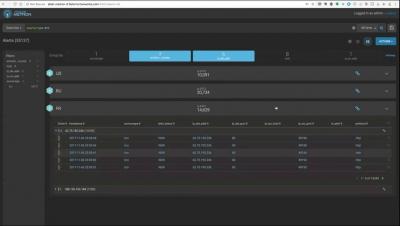
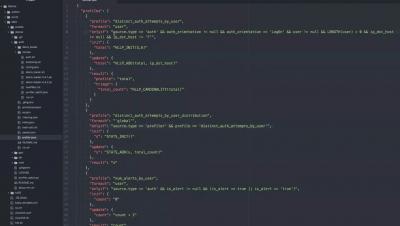
How to use profiles in HCP to identify and analyze authentication data and alerts.


Whenever an IT system, application or personal productivity tool is used inside an organization without explicit organizational approval, we talk about shadow IT. Shadow IT is not only a security and compliance nightmare, it creates a data sprawl where each group can create its data silos.
Our decision to change from a perpetual licence model to subscriptions was one of the great naive moments in Yellowfin’s history. It was about eight years ago and we had great sales growth but it was getting harder to start from scratch every year and sell more perpetual licenses. At the same time, our maintenance business was growing so we decided to flip our model and sell subscriptions. It seemed like a good idea at the time as none of our competitors were selling subscriptions.
If you have got through part 1 and part 2 of this series of blogs, there are only a few more steps to carry out before you can see the end to end flow of data and create your Heatmap. If you have not read the first two blogs, the links to the blogs are above. Although these blogs have been quite lengthy, I hope you understand that I have tried to make sure that any level of experience can achieve this. Since Pipeline Designer is a new product, I felt that it made sense to be as explicit as possible.
DNA kits like 23andMe, Helix and AncestryDNA topped holiday gift guides again this past year. Kits range in the market from $60 to $200, and they’re meant to help consumers understand family history, genealogy and can even connect unknown family members. Collecting genetic data can also have broader impacts in healthcare and justice for law enforcement.
Every time a new Gartner Magic Quadrant is published, I always have a flashback to the scene in the old Steve Martin movie “The Jerk” – when his character gets overly enthusiastic about seeing his name published in the new phonebook. As a software vendor, I think we sometimes look like this when the Gartner MQ is released, and everyone gets a little too excited.
Yellowfin 8.0.2 is now available and with it brings an assortment of enhancements and fixes. A major area of focus in this release (and for the rest of 2019) is overall performance within the analytics suite.
During Summer, The Talend Blog Team will relay to share fruitful tips & to securely kick off your data project. This week, we’ll start with the first capability: make sure the data you create, develop and share within your organization stay clean and governed.