Systems | Development | Analytics | API | Testing

Bitrise Build Cache: Gradle Setup & Configuration

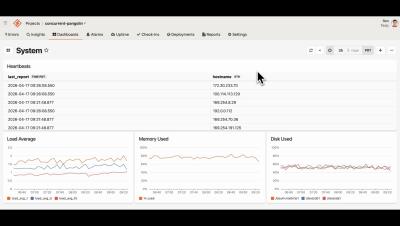
Lex, a solution architect at Bitrise, provides a demonstration on how to configure Bitrise Build Cache for Gradle projects when using Bitrise CI. While Build Cache works with any CI solution, the setup procedure shown is tailored for Bitrise CI users. Bitrise, Gradle Build Cache, CI/CD, Continuous Integration, Mobile Development, Android, Build Optimization, Cache Warming, Workflow Configuration, Android Development.

IDP vs. OCR: Evolving Approaches to Document Processing

Reading emails, scanning contracts, manually processing invoices—the tedious tasks related to document processing can jam up your business operations. Document processing is a prime candidate for automation, but the technology is advancing so fast, it can be hard to know where to start or when it is time to modernize. OCR (Optical Character Recognition) and IDP (Intelligent Document Processing) are two approaches to tackling business documents.

Dodge the thundering herd with file-based OPcache

In the blog post about Fine-Tuning OPcache Configuration I mentioned the thundering herd problem that affects OPcache during cache restarts. When OPcache is restarted, either automatically or manually, all current users will attempt to regenerate the cache entries. Under load this can lead to a burst in CPU usage and significantly slower requests.

Why website security is important for your business?

The significance of website security cannot be overstated, particularly, in the world of web development. The repercussions of a compromised security can be substantial, irrespective of a company's scale. This is underscored by the fact that, on average, it necessitates an expenditure of more than $1.42 million for a company to rectify the aftermath of a cyber attack. Now you know why website security is important.

The API-First Alternative to RAG for Structured Data | DreamFactory

When it comes to integrating AI with structured data, traditional Retrieval-Augmented Generation (RAG) systems often fall short. They rely on indexing and embedding, which can lead to outdated information, security risks, and inefficiencies. Instead, an API-first approach offers a safer, more precise, and real-time solution for accessing structured enterprise data.

Sustained Excellence: WSO2 Again Named an Overall Leader in 2026 KuppingerCole CIAM Leadership Compass

In the rapidly shifting landscape of identity security, consistency is the ultimate measure of excellence. Today, we are proud to announce that for the fourth consecutive report, WSO2 has been recognized as an Overall Leader in the January 2026 KuppingerCole Leadership Compass for CIAM Platforms. Earning a leadership spot for many years is a significant achievement, but this 2026 recognition is particularly special.

Understanding Node.js' New Signal Requirement for Security Reports

Node.js has updated its vulnerability reporting policy on HackerOne, introducing a minimum Signal requirement. This change aims to improve report quality, reduce operational noise, and better support the maintainers responsible for project security. Below is an explanation of why this change happened, how it works, and what it means for the security community.

Why Now Is the Right time to Upgrade HostAccess

For many organizations, HostAccess plays a critical role in connecting modern systems with core enterprise environments. When software sits at the center of daily operations, stability and security are not optional. They are foundational. The HostAccess 7.50a release is more than a routine update. It represents a meaningful improvement in security readiness, compliance alignment, and long-term operational risk reduction.