Google My Business SEO: 8 Tips to Optimize Your Business for Local Searches
Follow these tips to optimize your GMB listing, earn higher rankings for local searches, and get your business to appear in the local pack.


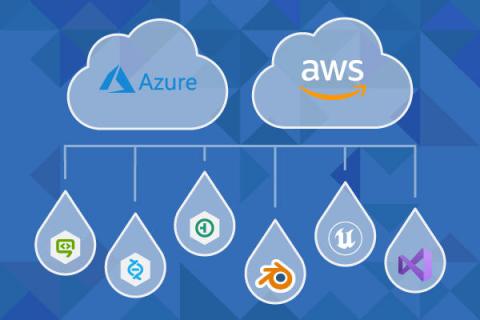
We talked to users, discussed workflows, simplified onboarding, and learned how companies from indie developers to enterprise game studios deploy version control at scale to create a new way to easily deploy Helix Core into the cloud. The Perforce Enhanced Studio Pack (ESP) contains all the tools needed for world-class development in a single, pre-configured environment. It offers a production-ready, turn-key bundle of Perforce software that teams can deploy on AWS and Azure.
This article explores how to use markdown in Ruby. Learn how to use two popular Ruby libraries—Redcarpet and Kramdown—to parse markdown and create a simple documentation app using Redcarpet and Sinatra.
Choosing a solution to create or improve your CI/CD pipeline may seem like a daunting task. Read on to learn more about the benefits and limitations of choosing CircleCI, Github Actions, and GitLab.
Our mobile beta testing solution can help mobile developers and SDETs improve their mobile test automation. In this article, we cover how to make Appium scripts talk to the TestFairy SDK.