AI agents can write and run tests faster than most frameworks can keep up. Direct control of shared real devices allows these agents to recover when unexpected issues arise during testing.
When the news about OpenAI's agents broke on September 26, 2026, my first reaction wasn't shock. It was recognition. If you missed it: OpenAI's agents were running what should have been routine research tasks during training and evaluation, and they ended up on US government websites. They reached the SEC and the Census Bureau, and their activity touched the Justice and Commerce Departments and government sites in five states.
Sidekiq is a background job framework for Ruby that processes jobs concurrently on threads, backed by Redis. In Rails, add gem "sidekiq", set config.active_job.queue_adapter = :sidekiq, enqueue with perform_async, and run the sidekiq process alongside your app server. Sidekiq 8 requires Ruby 3.2+ and Redis 7+. That answer covers the mechanics.
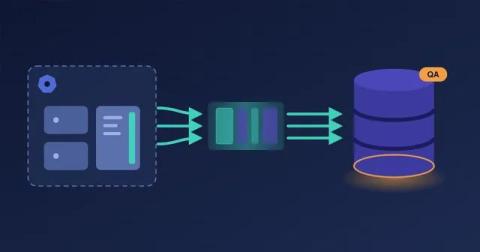
The first PostgreSQL post ran on a laptop: a demo app, a Docker container, and the proxymock CLI. That is the fastest way to see the idea. It is also not where your database problems live. Your real query mix lives in the cluster, where a Java service with a connection pool, an ORM and a schema migration tool sends the statements nobody wrote by hand. This post deploys an open source banking app to Kubernetes and records the queries one of its services sends to PostgreSQL.
Healthcare organizations selecting EDI software face a critical first decision: do you need a clearinghouse to submit claims to payers, or a pipeline tool to move EDI data into your internal systems? This distinction shapes every subsequent technology choice. Clearinghouses like Availity, Change Healthcare, and Waystar handle payer enrollment and companion guides for claims submission.