Systems | Development | Analytics | API | Testing

App Maintenance and Continuous Updates: What Ongoing Software Maintenance Really Requires

A production release is not the end of engineering work on a product. It is the point where the software starts living in an environment it doesn’t control. Operating systems ship new versions, dependencies get patched or deprecated, third-party APIs change their contracts, traffic grows, and newly disclosed vulnerabilities turn yesterday’s safe code into today’s exposure.
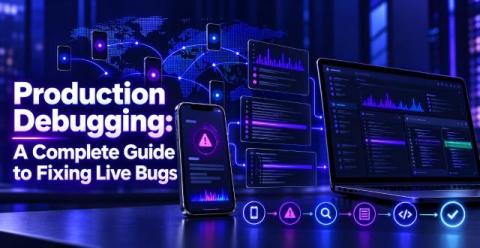
Production Debugging: A Complete Guide to Fixing Live Bugs

We’ve all had this problem as developers. An app works perfectly fine in our own local environment, but as soon as it hits the real world it starts throwing glitches all over town. Why does this happen? Because the real world is messy and hard to predict. Some bugs are only triggered by real users, real devices, and real data. This makes them harder to diagnose – but not impossible.

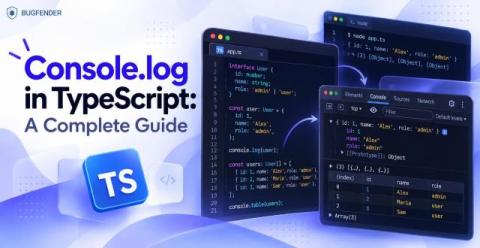
Console.log in TypeScript: A Complete Guide

console.log() in TypeScript allows us to print values to the browser console or terminal, so we can inspect our code while it runs. However, the workflow can take some getting used to: in most projects, TypeScript is compiled into JavaScript, which is then executed by a JavaScript runtime. Whether you’re debugging a React component, a Node.js script or a backend application, it’ll get easier once you’re familiar with these nuances.

Custom Exceptions in Ruby: Classes, Messages & Hierarchies

To create a custom exception in Ruby, define a class that inherits from StandardError: class PaymentError < StandardError; end. Raise it with raise PaymentError, "card declined" and rescue it by class. Inherit from StandardError, not Exception, so a bare rescue still catches it. Pass a default message by overriding initialize and calling super. Ruby’s built-in exception classes describe the language’s failure modes, not your application’s.

Why testing Oracle Fusion Agentic Applications is different - and how QA teams can adapt

Oracle’s Fusion Agentic Applications represent a new class of enterprise software. They contain coordinated teams of outcome-driven, proactive AI agents that are engineered to execute business processes across finance, HR, supply chain, and customer experience. For folks who work in those departments, these agents may streamline some of their daily work and help uplevel employees. For testers, they bring a measure of ambiguity. In general, you know how humans use these applications.