
Systems | Development | Analytics | API | Testing

Top 22 Real Estate KPIs and Metrics for 2026 Reporting

A real estate Key Performance Indicator (KPI) or metric is a quantifiable measure used to assess the performance of a business in the real estate industry. These performance metrics can be used to analyze several different business segments from individual realtor performance to investment property potential. In turn, this information can be used to identify weaknesses in your business or help make better business decisions.

Avoid Vendor Lock-in With Cloud-Agnostic BI

Many AI analytics platforms force enterprises into an impossible choice: adopt cloud-only solutions that compromise data governance and security policies or forgo AI capabilities entirely. But there’s a significant problem with that: most companies aren’t 100% cloud-based, and those that are vary between whether they operate in the public cloud, private cloud, or a hybrid environment.

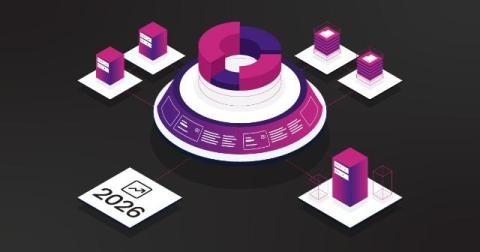
Compliance Horizon 2026: When Regulatory Change Moves Faster Than Your Disclosure Process

Every compliance team knows regulatory change is constant, but 2026 is shaping up to be a perfect storm. With SEC climate rules about to take effect, CSRD deadlines accelerating, and FASB updating requirements every few months, reporting expectations are moving faster than most infrastructures can keep up. You finalized your 10-K template in January. By March, FASB changed two requirements. Now you’re rebuilding everything again.

5 Equipment Leasing Process Gaps That Create Unnecessary Costs

Equipment leasing represents significant financial exposure for most organizations – a often without the strategic attention it deserves. The equipment financing industry encompasses $1.34 trillion in annual volume, yet many organizations pay substantial cost premiums due to process inefficiencies. These inefficiencies stem from preventable gaps in lease management strategy and execution.

AI Analytics Reality Check: Why 95% of Projects Miss the Mark

Most AI analytics projects are failing to deliver on their promises, and the cause isn’t what you might expect. This creates widespread project failures and undermines confidence in AI-driven analytics. What are the problems with AI analytics and how can organizations address them?

How to Deliver Analytics for Any Persona

When you embed traditional BI tools, you work with platforms originally designed for internal analysts who expect to explore data directly. Embedded capabilities came later, and while these tools expose APIs, every variation in experience requires development work. The challenge is that traditional BI tools aren’t built for the full spectrum of embedded use cases. Most embedded analytics implementations must serve several distinct user types inside your customers’ organizations.

The AI-Native Finance Team: Building Skills and Culture for the Next Decade

Finance professionals aren’t afraid of AI taking their jobs, they’re afraid of being left behind while keeping them. The real anxiety in today’s finance teams isn’t automation, but irrelevance: the fear that the profession is evolving faster than their skills. This sentiment is increasingly common across organizations that acknowledge AI’s rising influence but haven’t yet aligned their training, expectations, or workflows with the new reality.

4 Finance Team Mistakes and How To Avoid Them

Finance teams are smart, but not infallible. Even the most talented and dedicated finance professionals, like the ones on your team, are bound to make a mistake from time to time. But some mistakes are more costly than others. Have you ever been in the middle of a presentation and realized that you were talking about the wrong data? Or have you had an executive ask for data that you simply couldn’t find? With the right tools and automation, you can avoid these embarrassing moments.

SAP Predictions for 2026

As 2025 comes to a close, now is the perfect time to reflect on the past year and look ahead to what’s next for SAP. There’s no denying that the past year has been rocked by market uncertainty, new tariffs impacting shipments to the United States, and rapid changes to finance technology. Not only has this forced SAP finance and operations teams to quickly change course, but it also muddied the view of the future. How can SAP finance teams prepare for the year ahead?