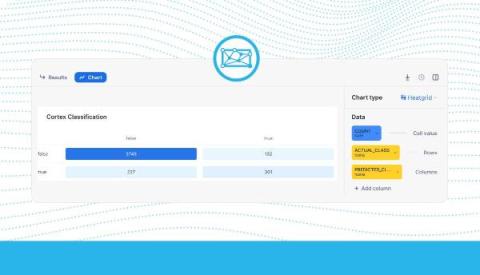
Fivetran formulas: Accelerate your time to Customer 360
Follow this Fivetran formula to centralize scattered customer data and build a Customer 360.
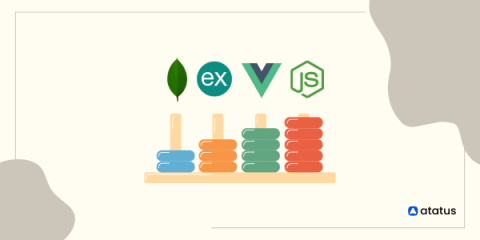
NodeJS is a JavaScript-based backend framework for web applications. It enables fast, scalable, and efficient development with high concurrency and data streams. Choosing the right database for NodeJS applications is a challenge for developers. A database should store and manage the data, handle the volume and velocity of data, provide the features and functionality you need, and be compatible, easy, secure, and reliable with NodeJS.
Tracking and analyzing your BigQuery costs will make you feel more at ease when running queries.
ERP systems run the world’s businesses. These stalwart systems are great at managing records and processes for finance, operations, supply chain management and more. But their insights need an upgrade. That’s the case put forward by Maxa, an enterprise-grade startup that has made it their mission to reinvent the way companies access and use ERP data for transformational insights.
The past year has seen an unprecedented AI hype wave triggered by the launch of OpenAI’s ChatGPT. Analysis abounds on whether the hype is real, where value will accrue and whether generative AI-first product builders have a real shot at category disruption or creation. As frenzied R&D and market activity continue unabated, market maps and take after take continue to drop hot. But what about revenue?
When it comes to monetizing APIs, there are a lot of ways you can do it. One popular way to do so is to charge based on how many unique users are utilizing your API. A good example would be charging $7 per month for each user using your API. For a company with five users accessing the API in a given month, their monthly statement would show a charge of $35 (plus any applicable taxes).
In a previous blog post (How To Survive an Apache Kafka® Outage) I outlined the effects on applications during partial or total Kafka cluster outages and proposed some architectural strategies to handle these types of service interruptions. The applications most heavily impacted by this type of outage are external interfaces that receive data, do not control request flow, and possibly perform some form of business transaction with the outside world before producing to Kafka.