Systems | Development | Analytics | API | Testing

Self Service BI: How to Make It Work for Your Enterprise

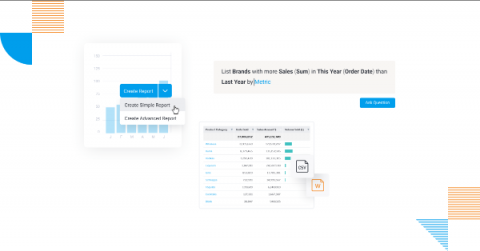
Self-service analytics, also known as self-service business intelligence (BI), means different things to different people. For some, it might just mean an interactive report which lets them drill up and down a hierarchy or maybe switch to a different metric. For others, it might mean complete freedom to access anything in the company’s data warehouse in order to generate strategic insight.

Ewallet App Development: What are the crucial steps?

With the world revolutionizing at a fast pace, digital wallets have become the new banking norm, allowing customers to do things on the go. Online transactions have already become an integral part of our life, whether you agree or not. As digitization sped up, the switch to cashless transactions increased enormously. Of course, there are many options for making payments online, including digital wallets, bitcoin, online banks, and credit cards.

Integrating MLOps with MLRun and Databricks

Every organization aiming to bring AI to the center of their business and processes strives to shorten machine learning development cycles. Even data science teams with robust MLOps practices struggle with an ecosystem that is in a constant state of change and infrastructure that is itself evolving. Of course, no single MLOps stack works for every use case or team, and the scope of individual tools and platforms vary greatly.

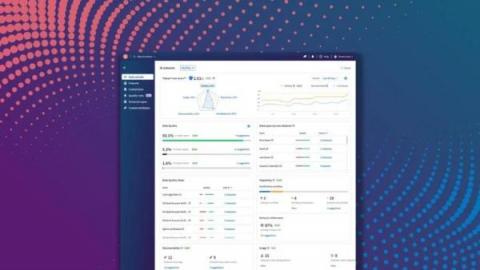
Announcing enhanced data observability with Data Console

During QlikWorld ’23 in Las Vegas, we were thrilled to announce the general availability of Data Console in Talend Data Inventory. With data-driven decision making becoming more crucial for organizations, it’s never been more important for users to have access to high quality data.

The role of mockups in digital design

The modern world is mostly digital. A huge number of products are created online. With the development of mobile technology, it has become more important than ever that products are visually appealing and easy to use. That's what designers do. Their task is not only to create an attractive product for the client, but also to demonstrate it in real life.

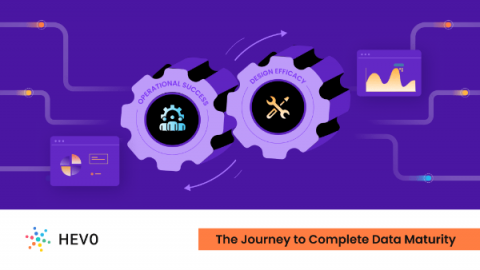
Data Maturity Models: Why Having Capabilities in Place Isn't Enough

Data maturity models measure the extent to which organizations have developed their data capabilities. They focus on a couple of dimensions that can include strategy, leadership, culture, people, governance, architecture, processes, and technology. Table of Contents The maturity levels of each of these dimensions may be measured along a continuum of four to six levels.