
7 Ways Power Cables Affect Data Center Performance and Uptime
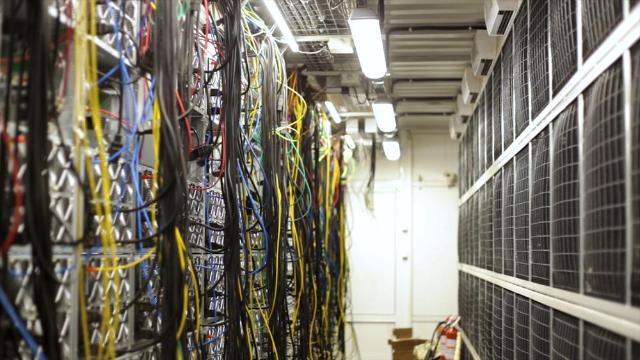
Image Source: depositphotos.com
Data centers are the backbone of the digital economy. Every second of downtime can cost a business thousands of dollars — and in some cases, damage its reputation beyond repair. While most conversations around uptime focus on servers, cooling systems, and redundant networks, the role of power cables is often overlooked. Yet these humble components sit at the heart of every data center's reliability.
Here are seven ways power cables directly impact how well your data center performs — and how long it stays up.
1. Resistance and Energy Loss
Every cable has electrical resistance. When resistance is too high, energy is wasted as heat instead of reaching the equipment. This lowers power efficiency and forces cooling systems to work harder. The cable gauge, material quality, and total run length all affect how much energy is lost in transit. In a facility running thousands of servers, even a 1–2% efficiency gap adds up fast on your energy bill.
2. Voltage Drop Over Long Runs
Long cable runs create a voltage drop — a reduction in the electrical potential by the time power reaches the end device. If the voltage drops too far, servers may throttle performance, trigger alarms, or shut down unexpectedly. This is a silent killer in large data hall layouts where power distribution units (PDUs) are far from server racks.
To avoid this, facilities engineers must:
- Calculate expected voltage drop before installation
- Select appropriate cable ratings for the run length
- Use higher-gauge cables where necessary
3. Heat Generation and Thermal Load
Cables that are undersized for the current they carry get warm — sometimes dangerously warm. Heat build-up in cable trays increases the thermal load on the overall facility. This forces your HVAC and cooling systems to compensate, which raises energy costs. More critically, excessive heat degrades cable insulation over time and increases the risk of a fault.
According to the U.S. Department of Energy, data center cooling can account for up to 40% of total energy usage. Poor cable choices make that number worse.
4. Cable Ratings and Load Capacity
Not all cables carry the same load. Using a cable that isn't rated for its intended current is one of the most common electrical hazards in data centers. Overloaded cables cause heat, degradation, tripped breakers — and in the worst cases, fires. Reliable industrial-grade cabling matched to the exact load requirements is not optional; it's a baseline safety measure.
Facilities teams that source certified, application-specific power cables from qualified manufacturers ensure every component meets the load and environment specs the facility demands. Duraline is one example of a supplier focused on this level of precision. In high-density data center environments, selecting the right cable rating is a small decision that plays a critical role in ensuring long-term safety, reliability, and operational continuity.
5. Redundancy and Failover Design
Tier III and Tier IV data centers are built with redundancy in mind. But redundancy only works if cables are correctly routed and segregated. A single cable tray carrying both primary and backup feeds defeats the purpose of a redundant design. Physical separation of cable pathways — combined with clear labeling and documentation — is how uptime guarantees are actually delivered.
6. Connectors, Terminations, and Contact Points
The cable itself is only part of the story. Poor terminations and loose connectors are a major source of faults. A single bad connection point introduces resistance, causes arcing, and can interrupt power delivery without warning. Every connection in a high-availability environment should be:
- Torqued to specification
- Inspected during commissioning and regularly thereafter
- Made with components rated for the full current and voltage range
This is an area where cutting corners on materials or installation skill has direct uptime consequences.
7. Cable Management and Physical Integrity
Cables that are improperly bundled, bent past their minimum bend radius, or run through areas prone to mechanical stress degrade faster than expected. In dense environments, crushed or pinched cables are a common cause of intermittent faults that are incredibly difficult to diagnose. Clean cable management isn't just aesthetic — it protects physical integrity and makes maintenance far easier.
Proper cable trays, separation between power and data runs, and adequate strain relief at connection points all reduce the risk of physical damage over the facility's lifetime.
Final Thoughts
Data center uptime depends on many things, but power delivery is the foundation. When the cabling infrastructure is correctly specified, installed, and maintained, everything above it performs as intended. When it isn't, the problems surface at the worst possible moments.
If you're planning a new build, a retrofit, or just a routine audit, put cable quality and design near the top of your checklist. The savings in downtime, energy, and maintenance costs will be well worth the attention.