Systems | Development | Analytics | API | Testing



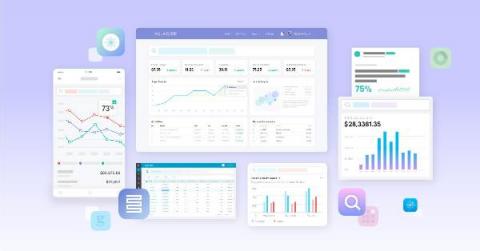
Build interactive analytics in your React App with ThoughtSpot Everywhere
ThoughtSpot has revolutionized access to analytics for business users through search and AI. In addition to being a general purpose analytics tool that allows unprecedented access to business users, product builders can now use ThoughtSpot to deliver search-based analytics to customers. Today, we are launching a brand new SDK that allows you to embed ThoughtSpot into your own web app in literally minutes.
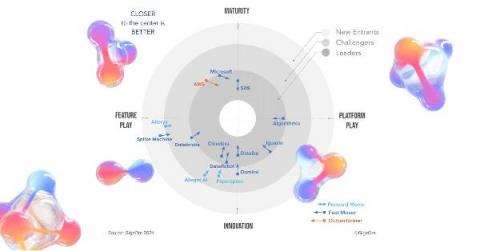
Iguazio Named A Fast Moving Leader by GigaOm in the 'Radar for MLOps' Report
At Iguazio, we’ve spoken and written at length about the challenges of bringing data science to production. The complexity of operationalizing ML can generate huge costs in terms of work hours and compute resources, especially as successful projects get scaled up and expanded. We’re proud to share that the Iguazio Data Science Platform has been named a fast moving leader in the GigaOm Radar for MLOps report.
New Connector: SAP Concur
Use our new SAP Concur integration for reliable, easy-to-use ELT for your financial analytics.

How to Avoid ELT & ETL Pitfalls
Don’t make costly mistakes as your business strives to make better use of data.
New Connector: Airtable
Bring disparate spreadsheets into your centralized analytics destination.
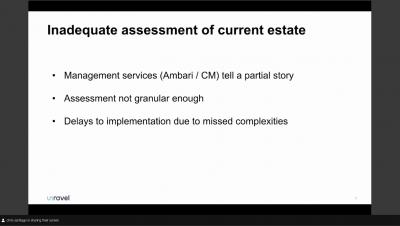
Reasons Why Cloud Migrations Fail & Ways to Succeed

What's New In Loadero (April 2021)
This month we are especially proud to announce updates that took place in Loadero recently, as we finally added another language to create test scripts, supplemented built-in fake media, and made other improvements to ease testing and make it more insightful for our users. Here is what has been added or changed during the last month.

Self-healing E2E Tests with Healenium - SauceCon 2021

How a journey to the cloud helps a fintech leader deliver quality products
Securrency is a technology products company that delivers a complete suite of security and compliance tools. Their complex suite of financial technology needs to have top performance and security. Currently, Securrency has 50 developers working across their multiple software products and this software requires thorough testing. They have a dedicated QA team that does manual and automated testing.